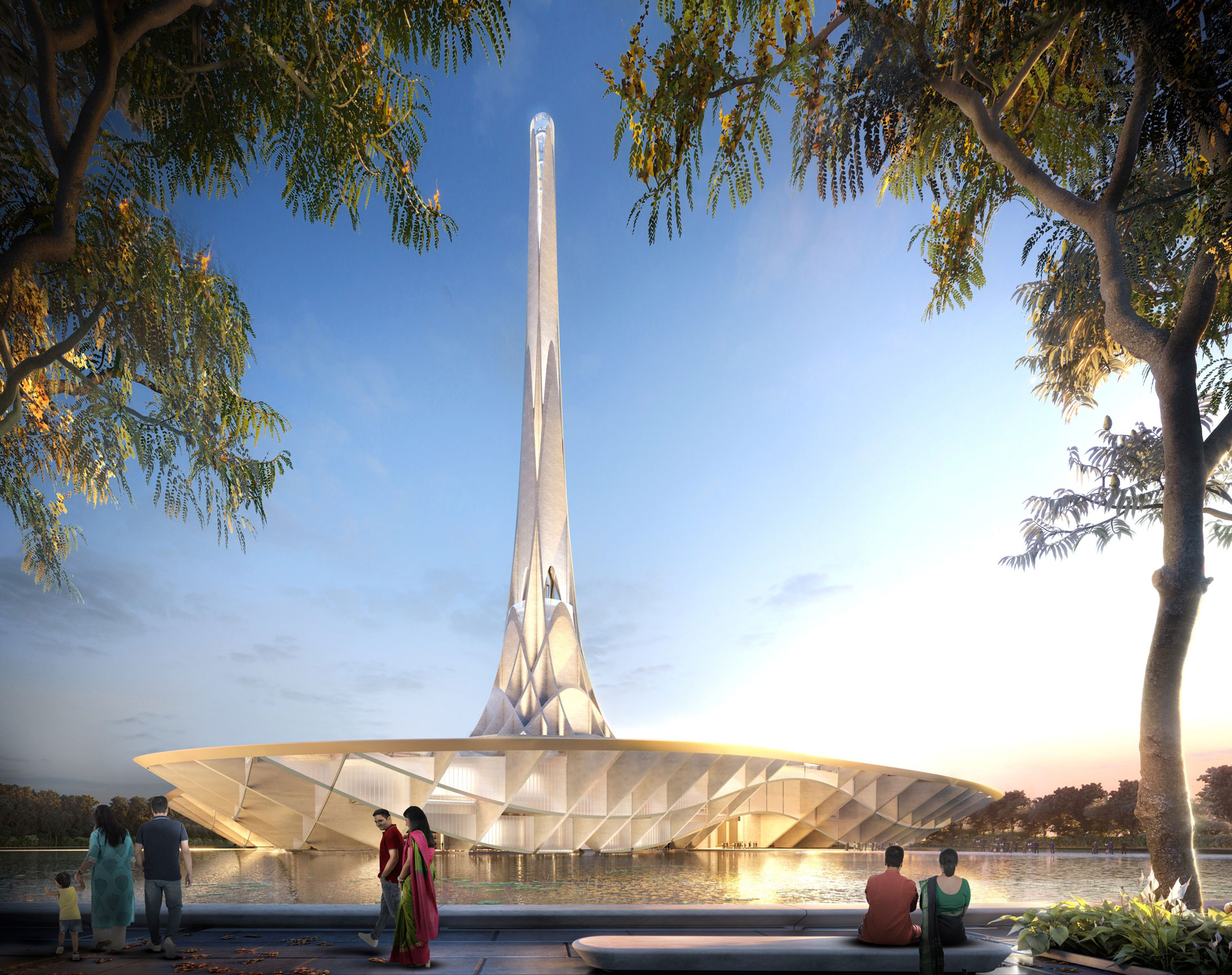

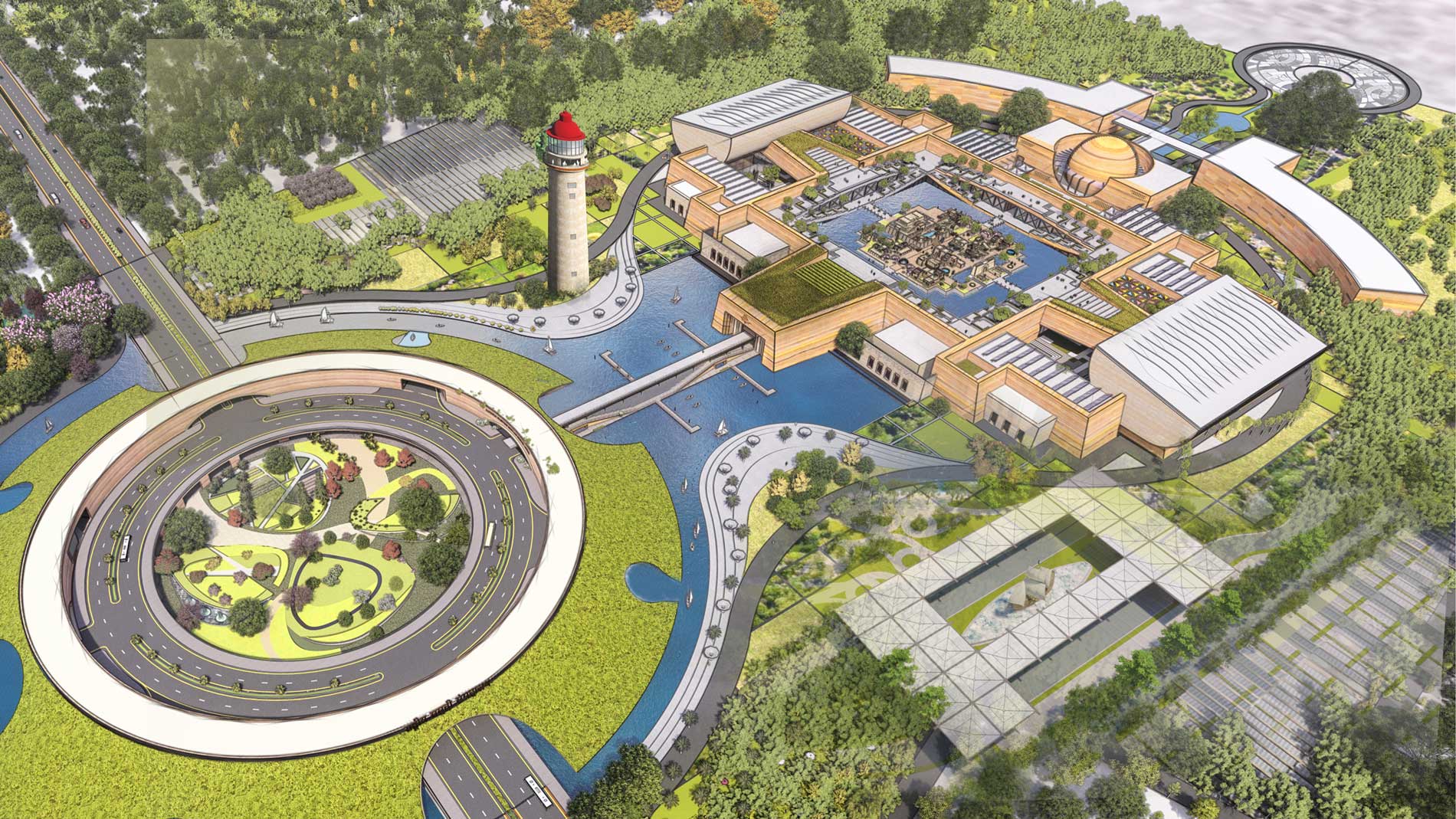
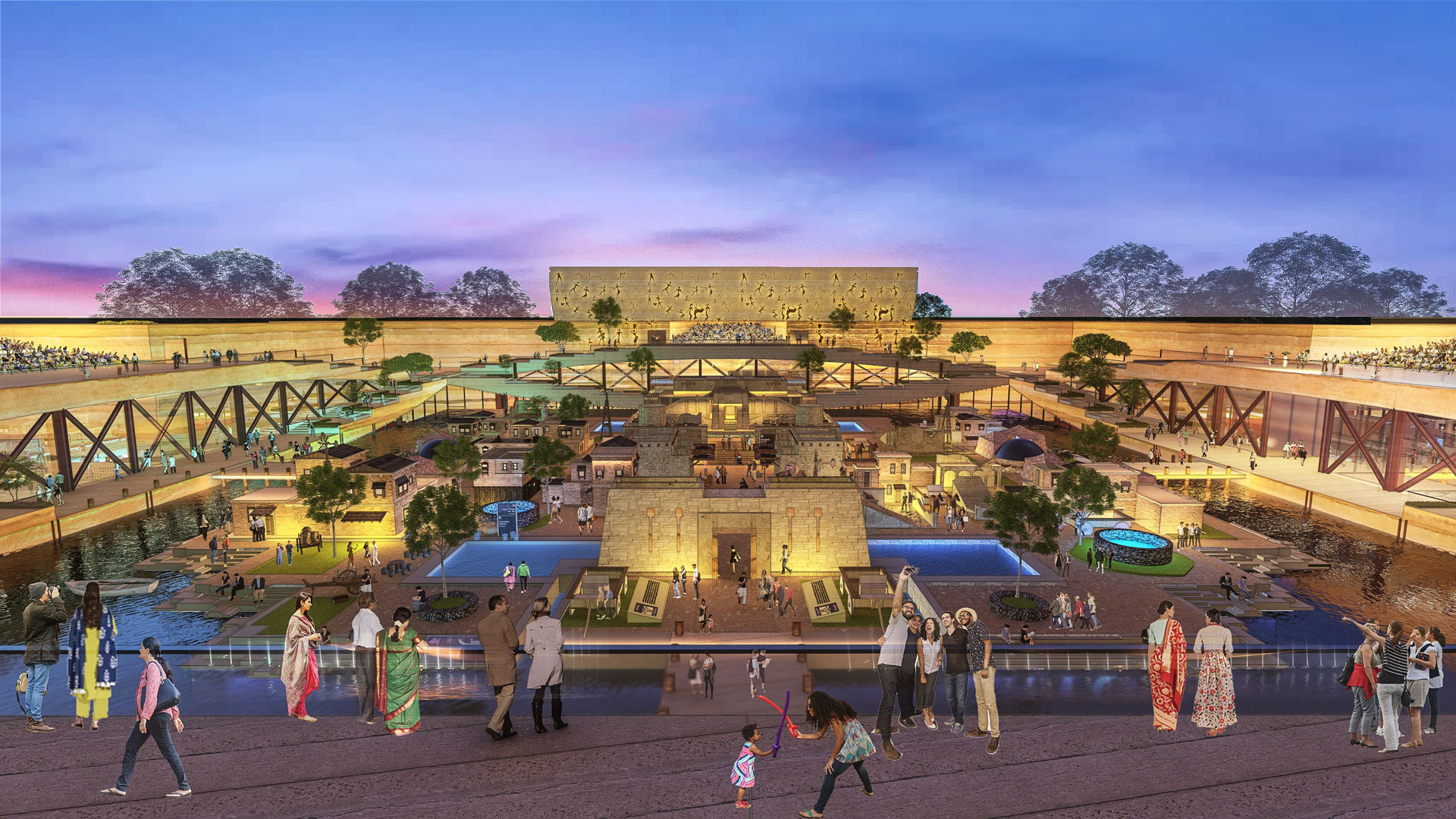
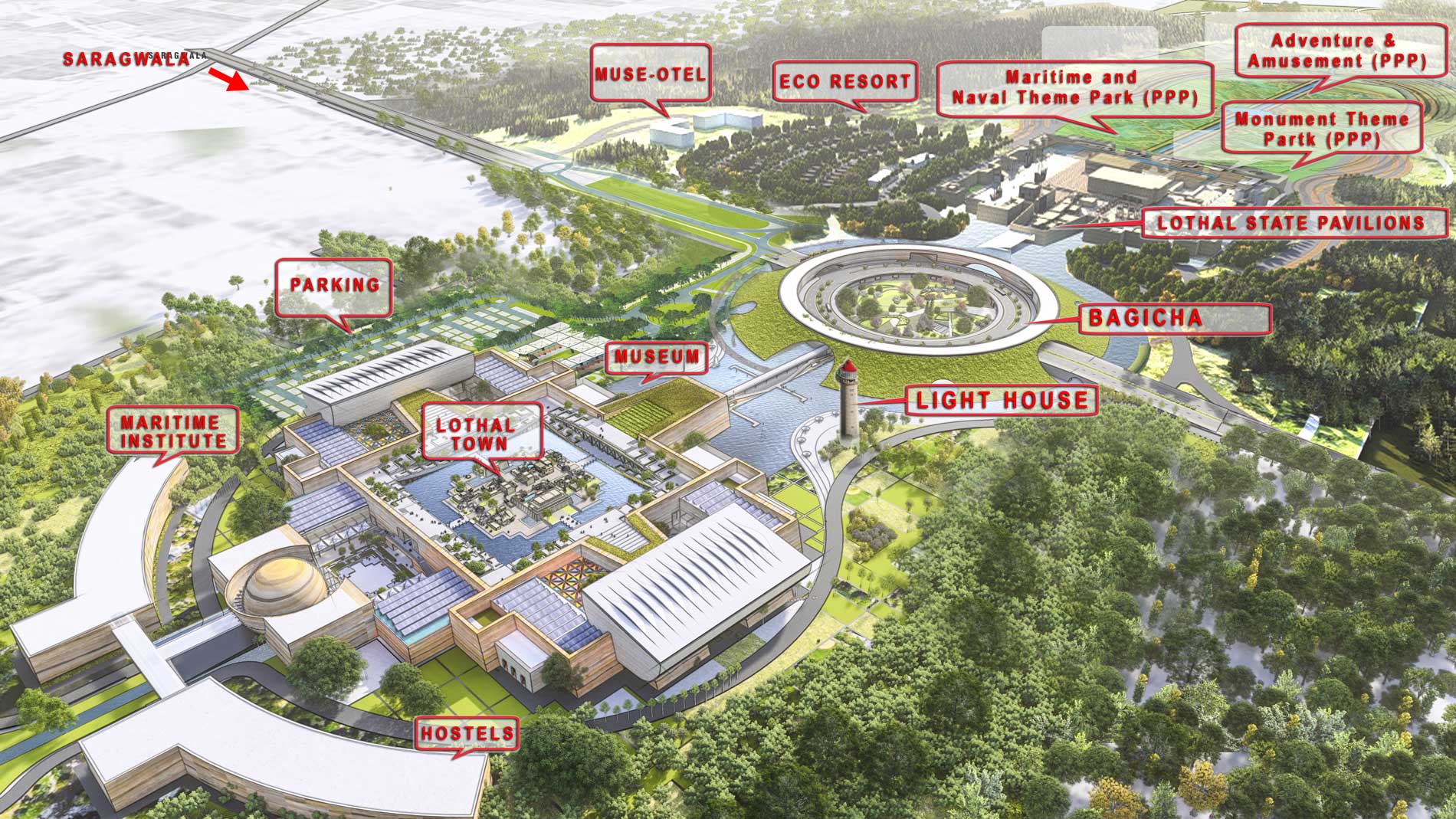
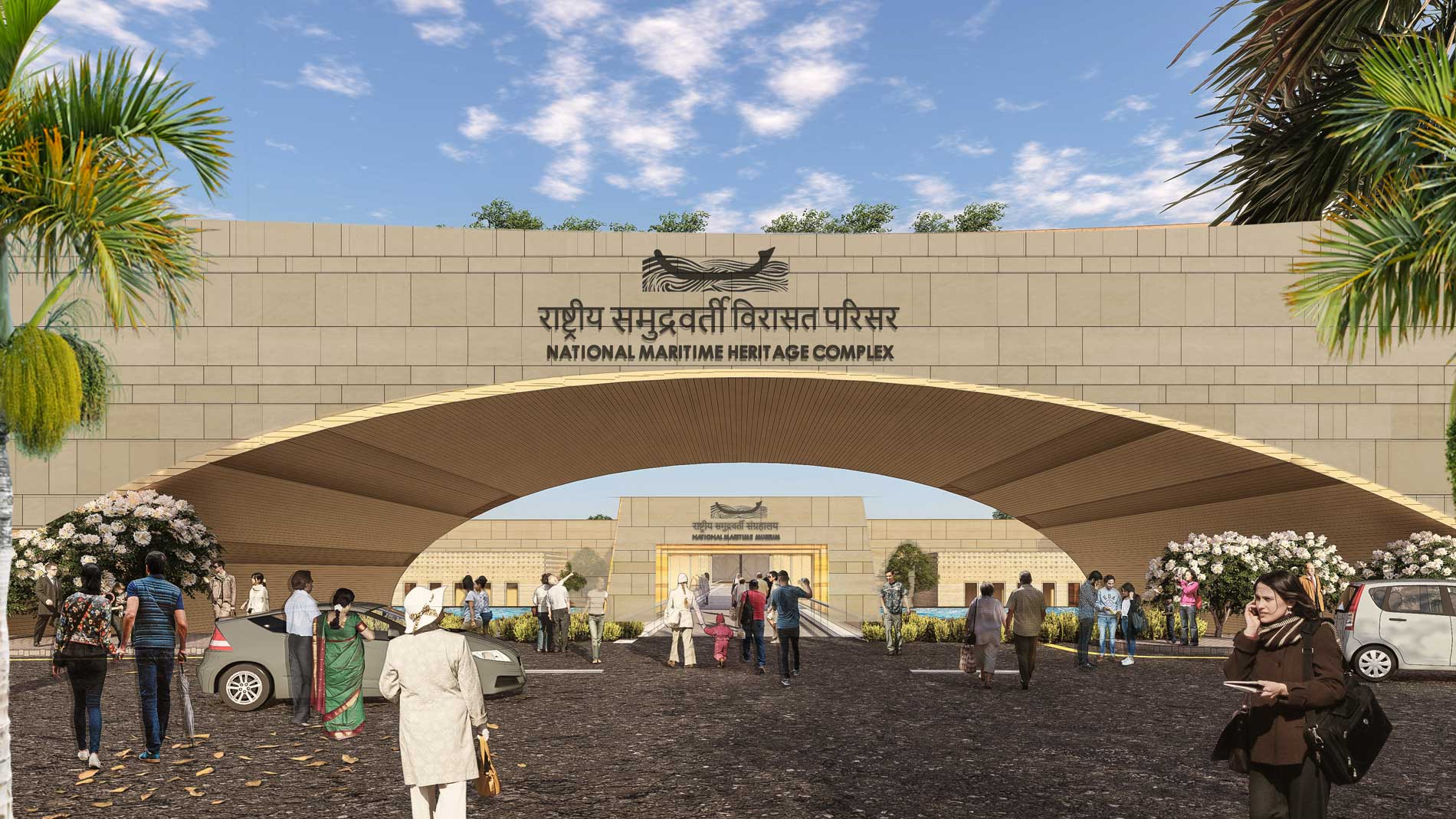
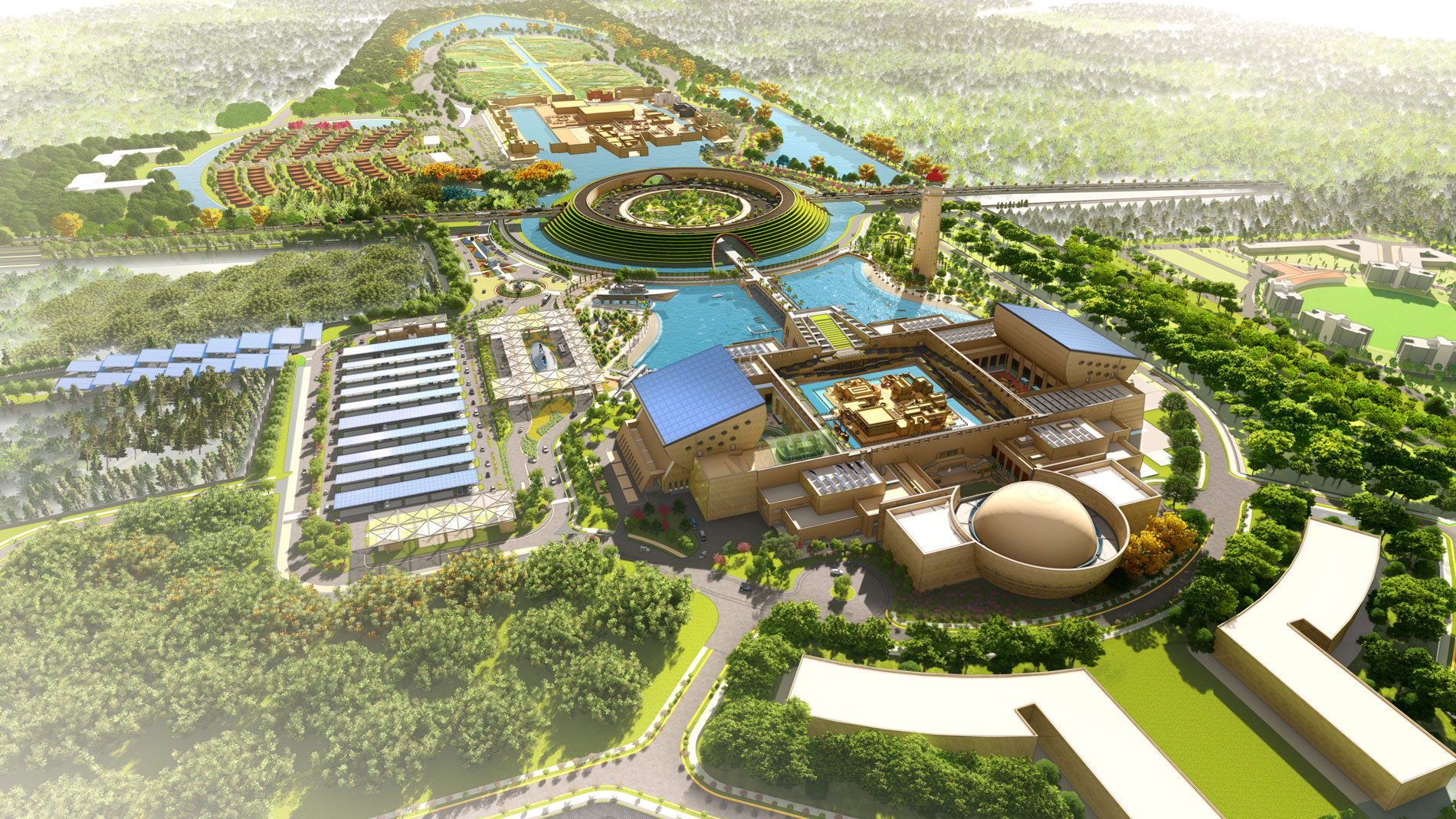
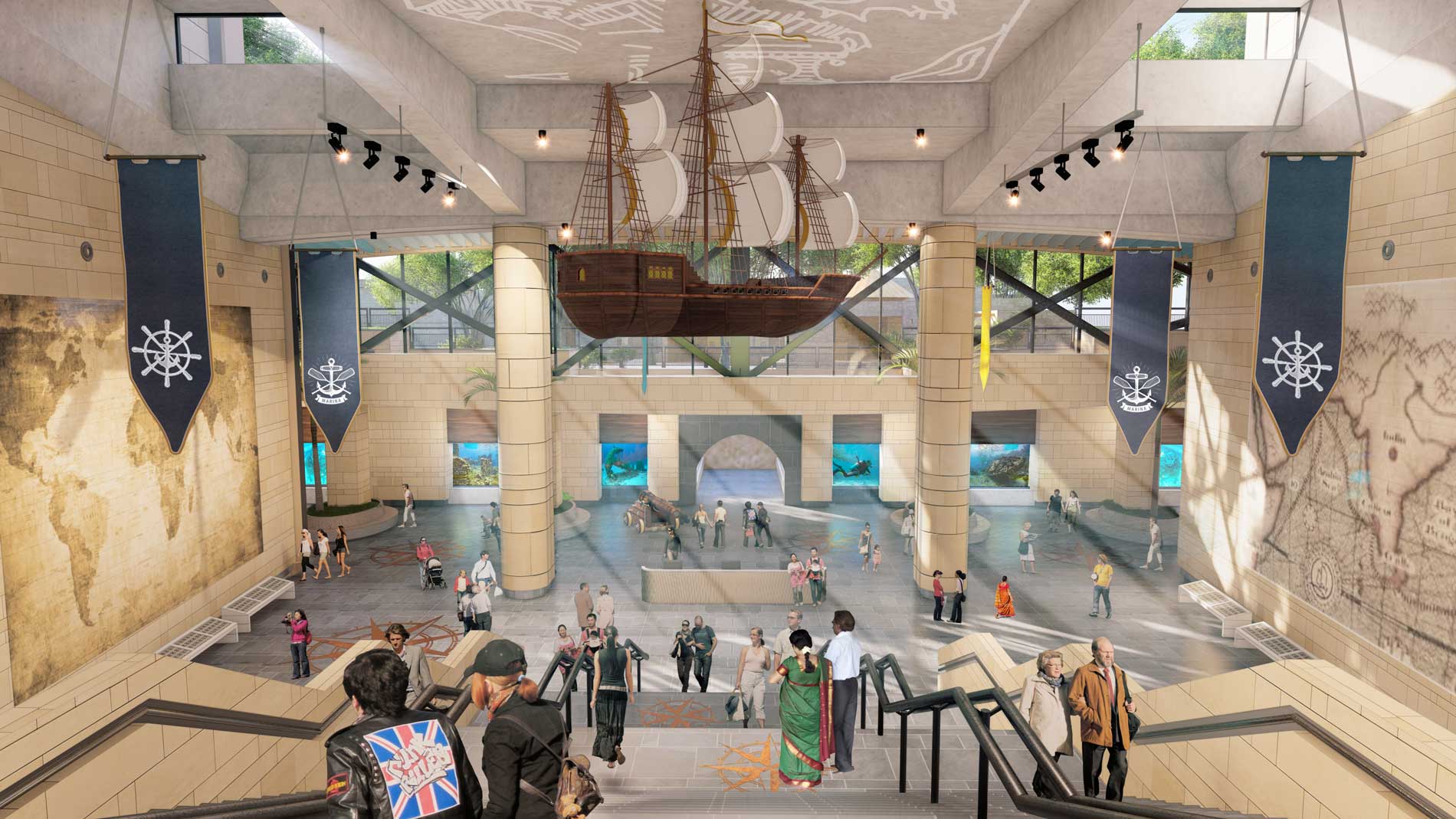
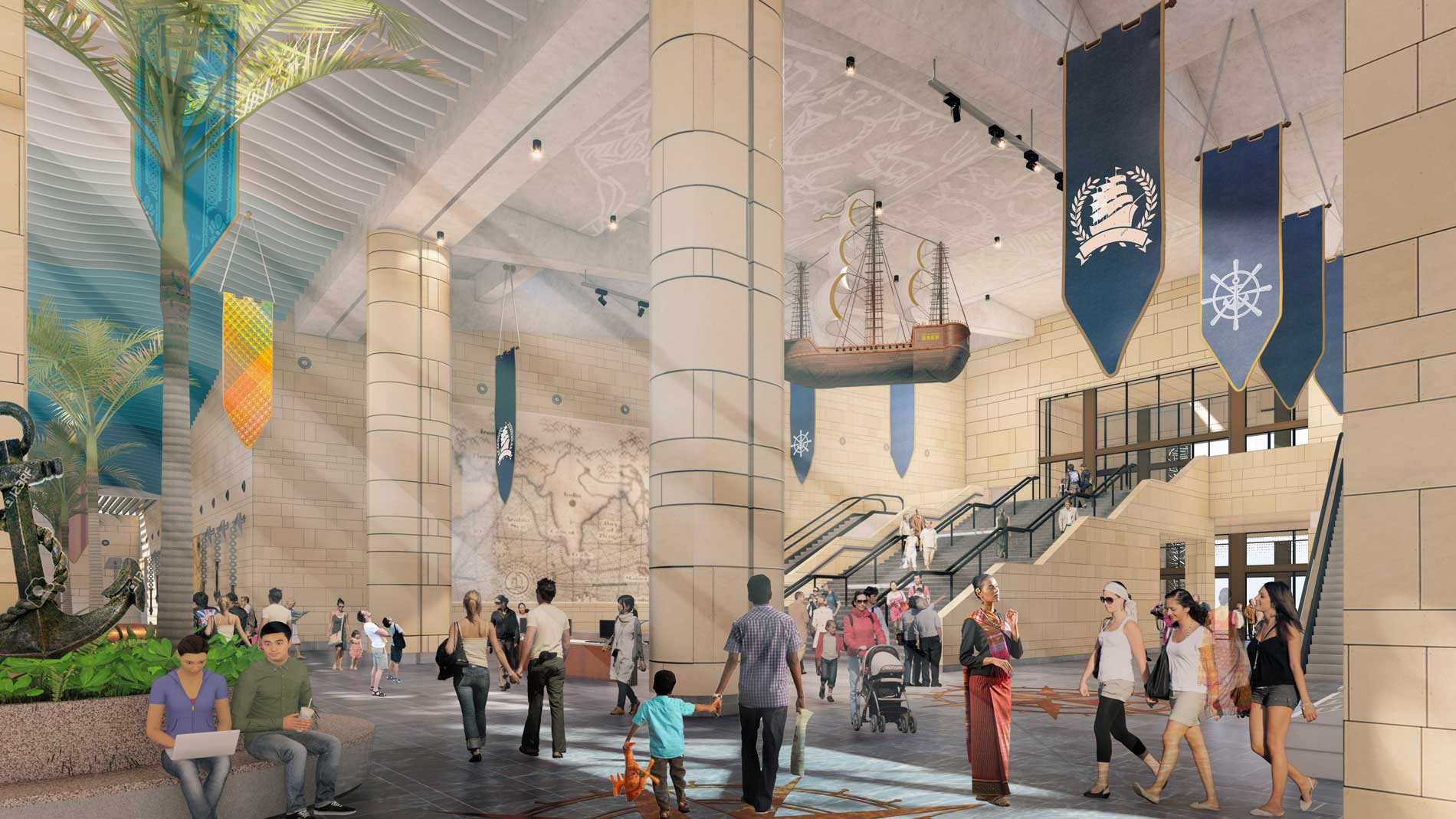
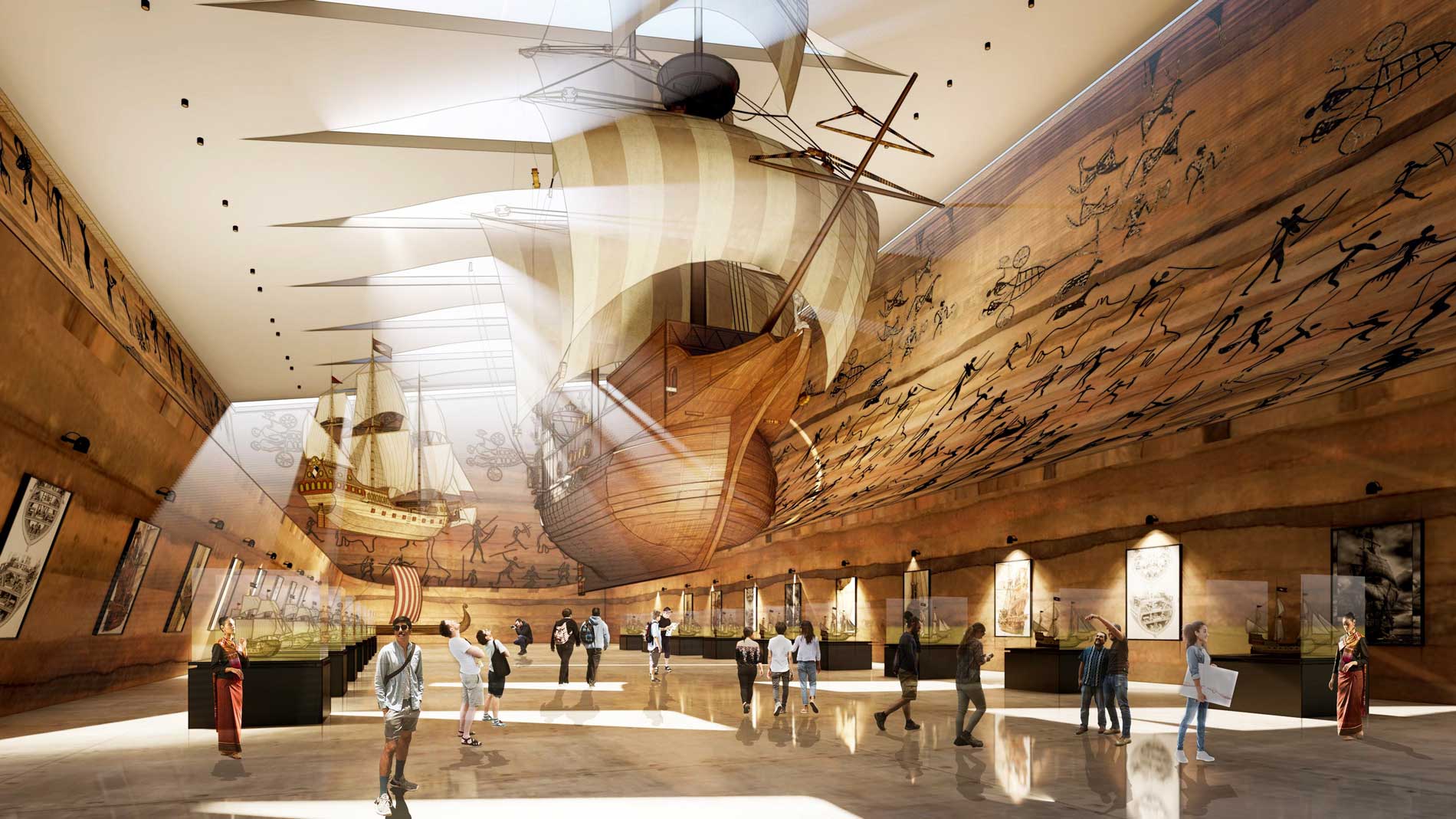
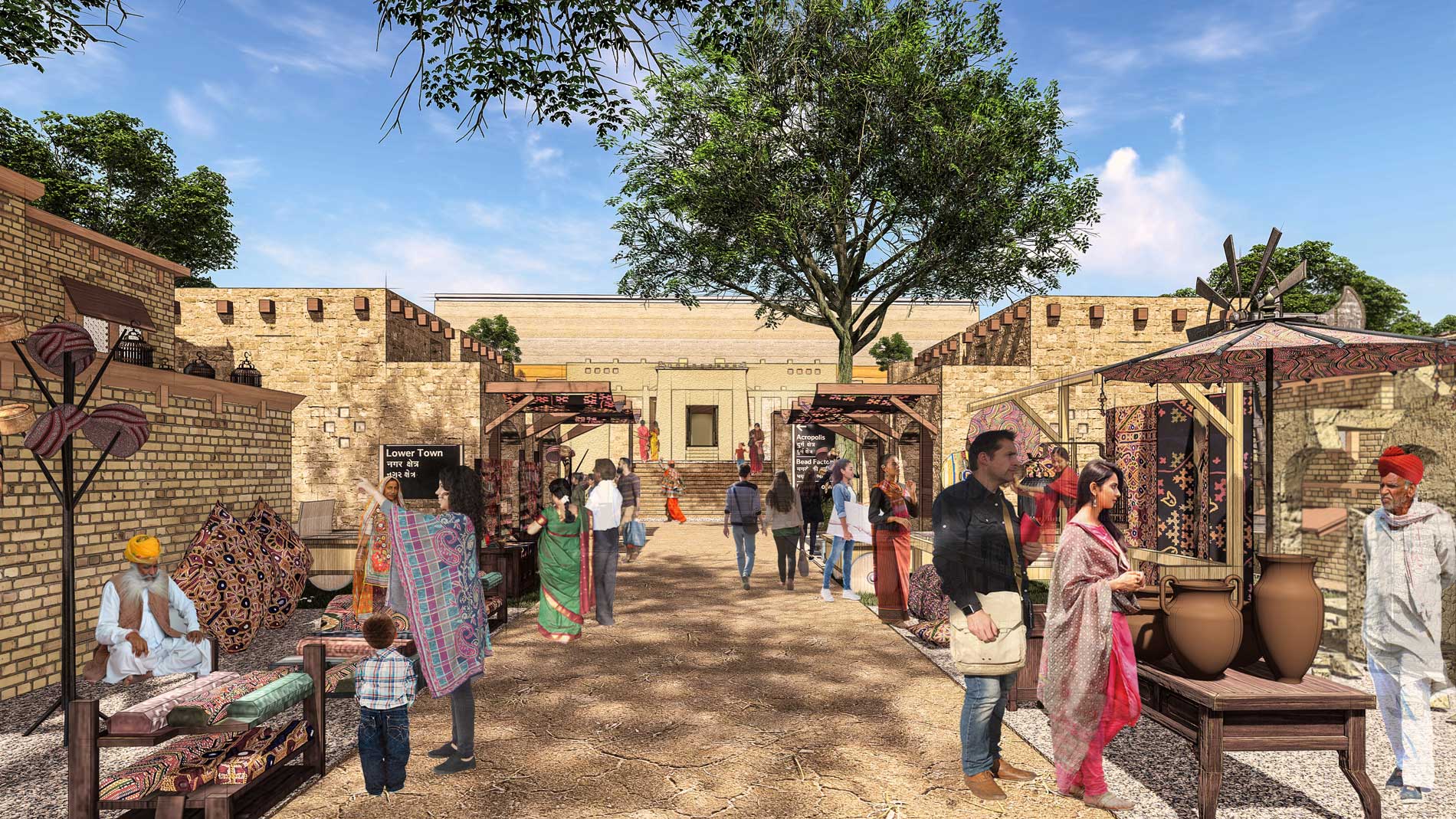
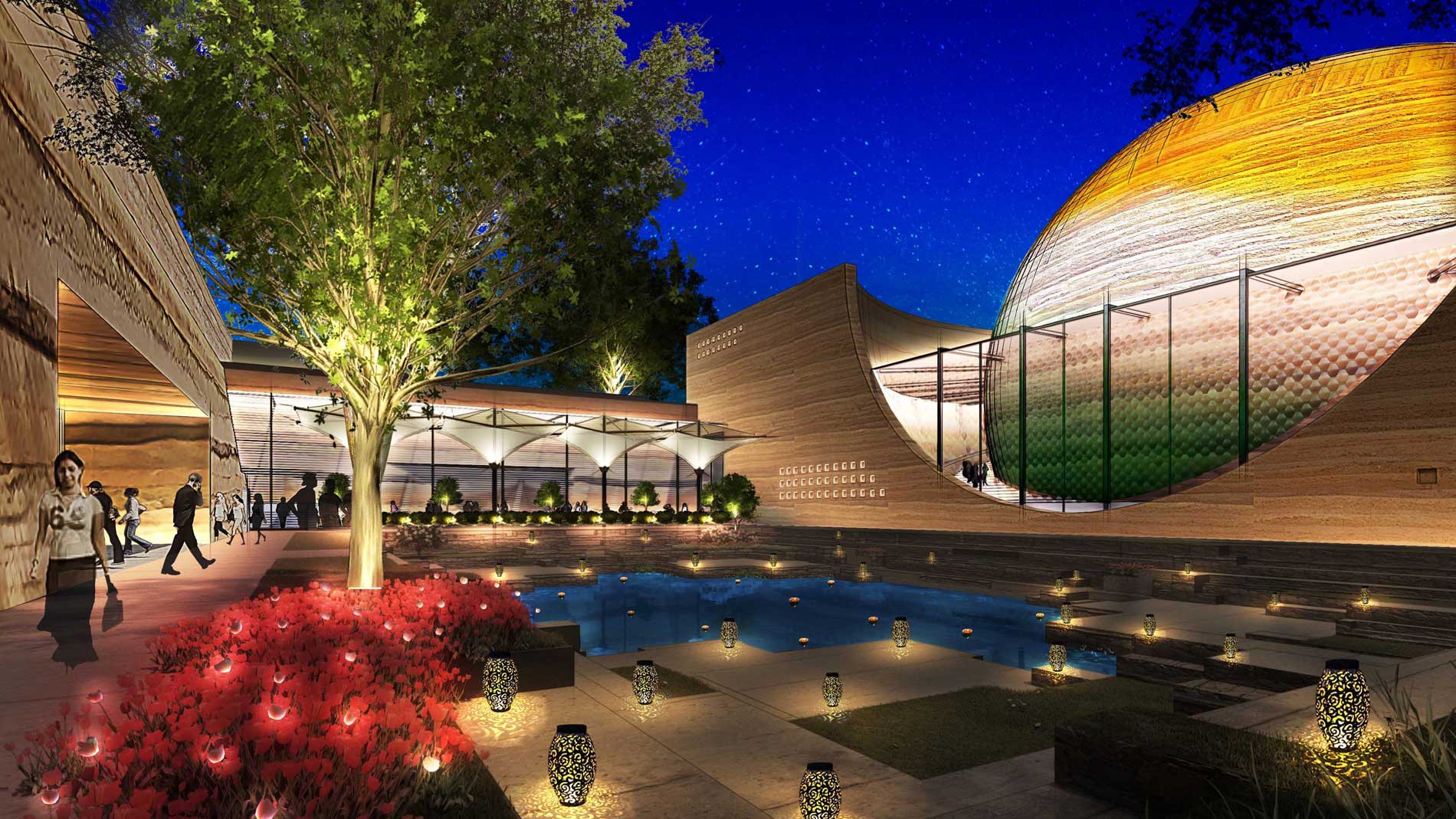
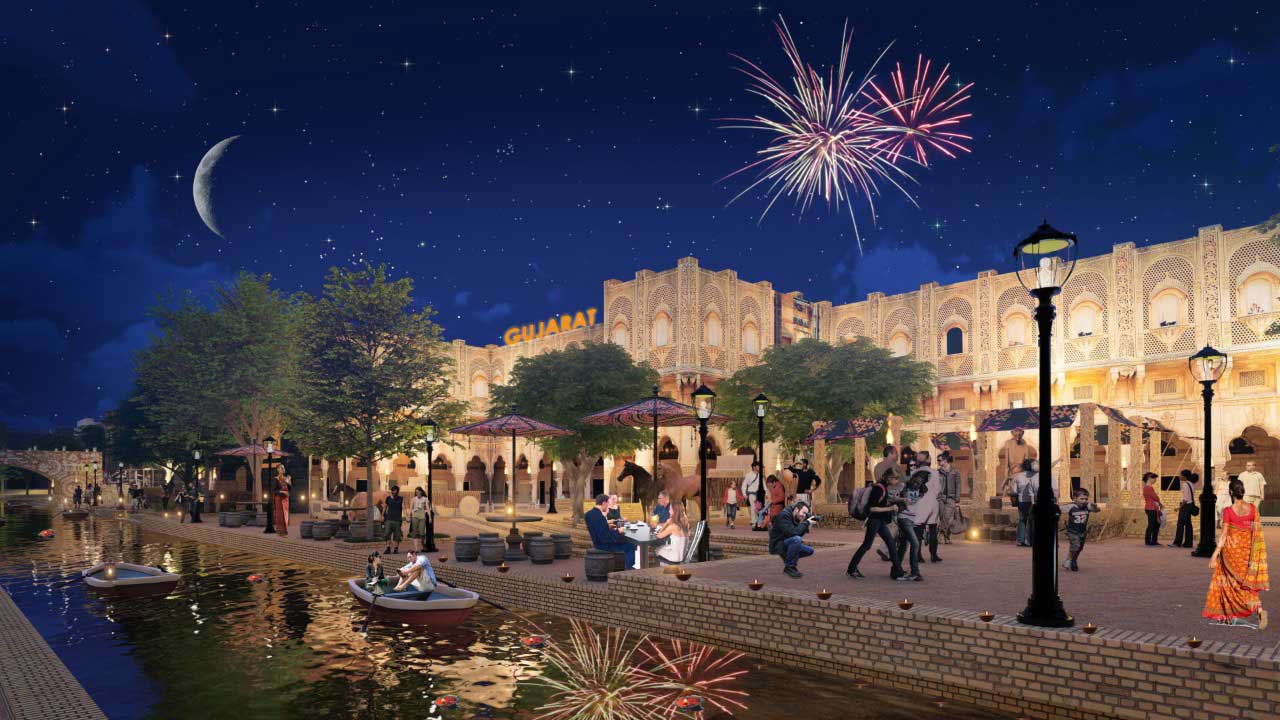
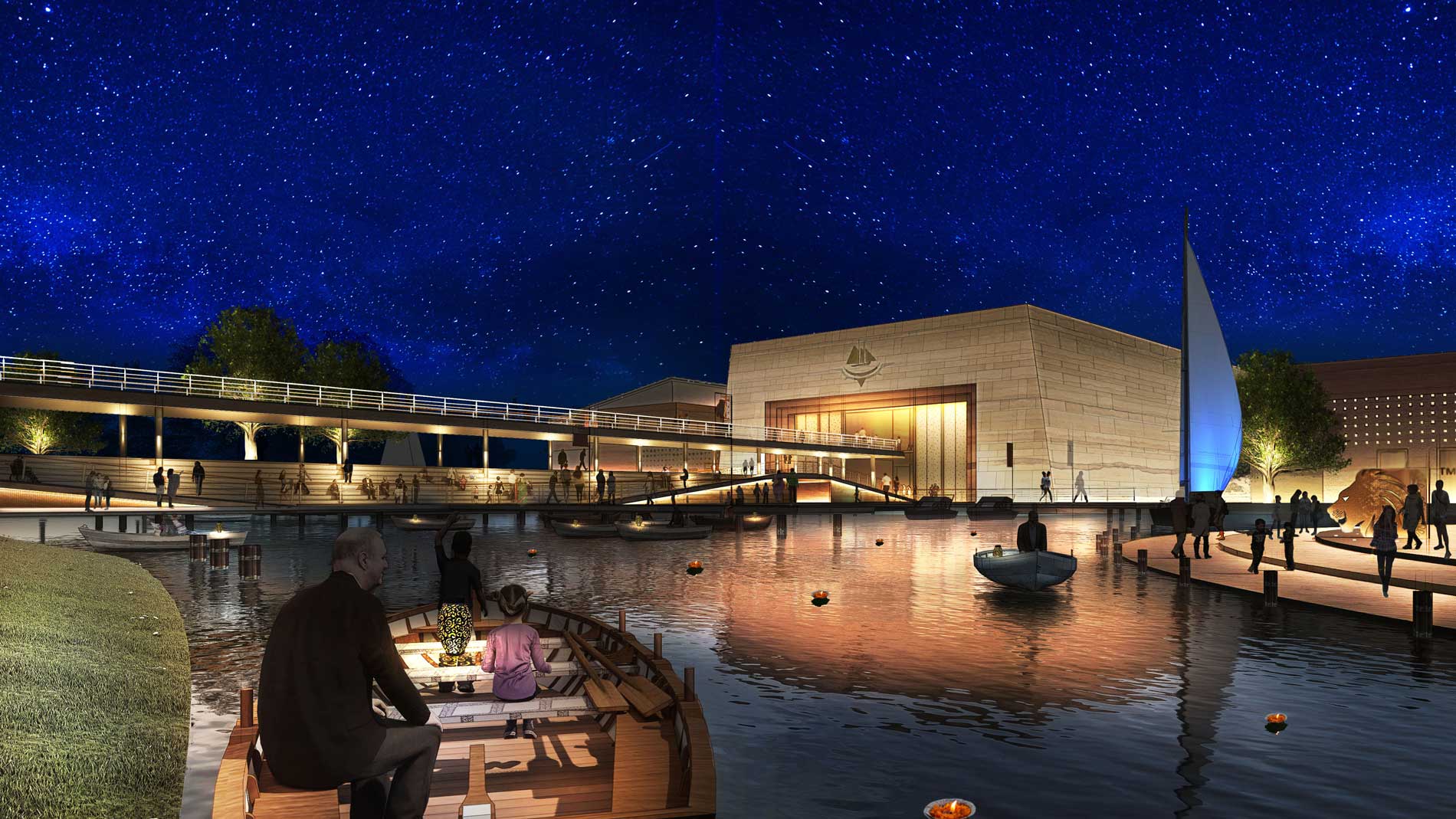
To showcase India's ancient, rich and diverse Maritime Heritage, the Government of India's Ministry of Ports, Shipping and Waterways is developing the National Maritime Heritage Complex (NMHC) at Lothal, Gujarat under the able guidance and leadership of our Hon'ble Prime Minister Shri Narendra Modi. The project is located at Lothal which is known to be world's earliest known dockyard, about 85 km from Ahmedabad. It is anticipated to have a daily footfall of up to 25,000 people and being developed as a major tourist destination which will enable visitors to indulge in a holistic maritime experience involving education, entertainment and leisure. The masterplan of NMHC is envisaged to create an integrated world class and engaging maritime destination that celebrates the rich legacy, allows visitors to experience the past and present and inspires them for the future of India's maritime endeavours. The National Maritime Museum which is part of the project will be one of the largest in the world and has been carefully curated to demonstrate the rich maritime heritage in 14 theme based galleries. Through these galleries, interactive exhibits and digital experiences, the museum will invite visitors to embark on an exciting exploration of India's past and present maritime prowess. With the use of futuristic technology and an endeavour of creating an immersive atmosphere attracting visitors of all ages, the complex is being designed to create a living theatrical representation through Digital Media Technology and narrate a story about the history and richness of our Maritime and Harappan heritage. The project is being developed in a phase wise manner. Phase 1A of the project includes the National Maritime Museum (Part 1); along with its associated infrastructure development and a mini recreation of Lothal Town. The Museum will demonstrate how India has been shaped by access to and mastery of the sea. Phase 1B shall comprise of Part 2 of the Museum, a Lighthouse Museum of 77 mtr height, a Bagicha Complex (public interchange). Phase 2 shall include Heritage Theme Park (including Lothal City Recreation and Coastal States Pavilions), Maritime Institute, Maritime and Naval Theme Park, Adventure and Amusement Park, Monuments Park, Climate Change Theme Park, Museum themed Hotels and Eco Resorts and associated infrastructure development.
Loading projects…




For work enquiries info@hcontractor.com
For press enquiries exec@hcontractor.com
For careers see current listings

Architect Hafeez Contractor
1st floor, B-29, Sonawala Building
Nyaymurti G N Vaidya Road
Fort, Mumbai, Maharashtra – 400 001
(+91) 22 2266 1920
1st floor, B-29, Sonawala Building
Nyaymurti G N Vaidya Road
Fort, Mumbai, Maharashtra – 400 001
(+91) 22 2266 1920