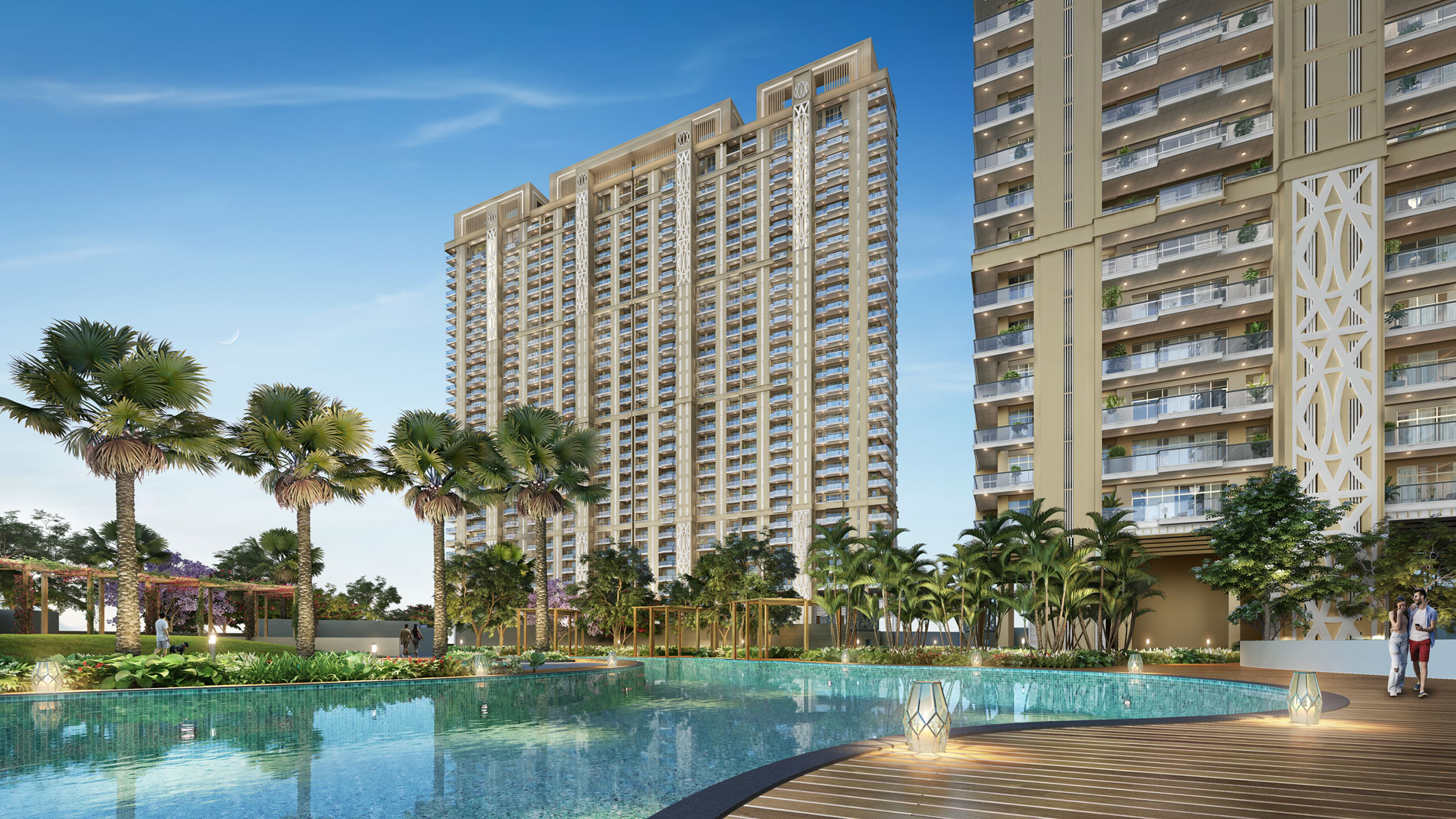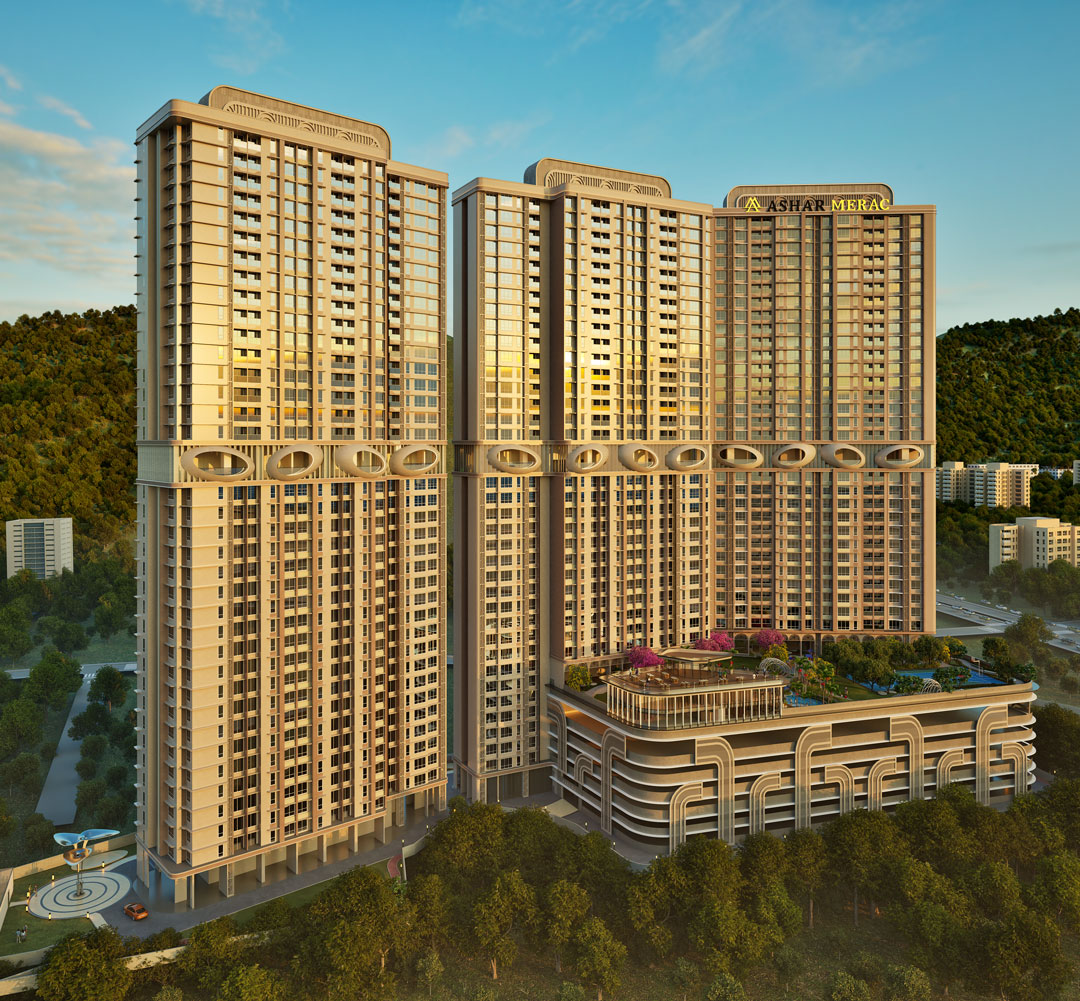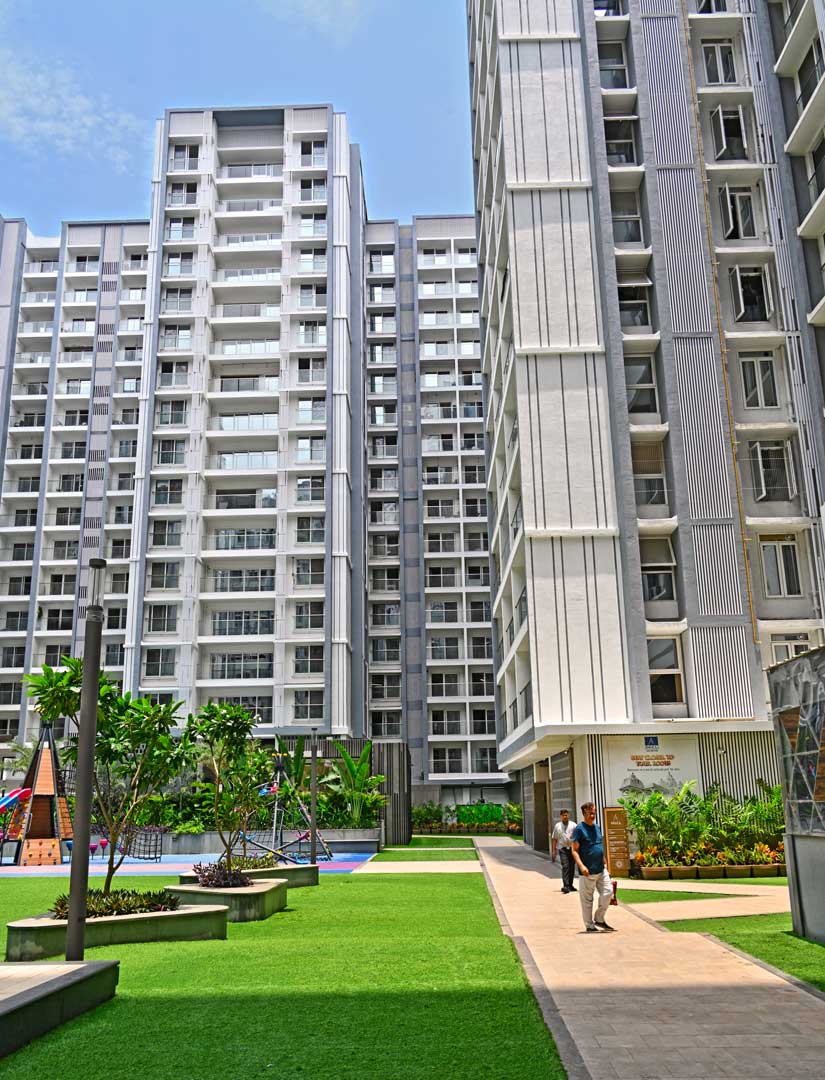





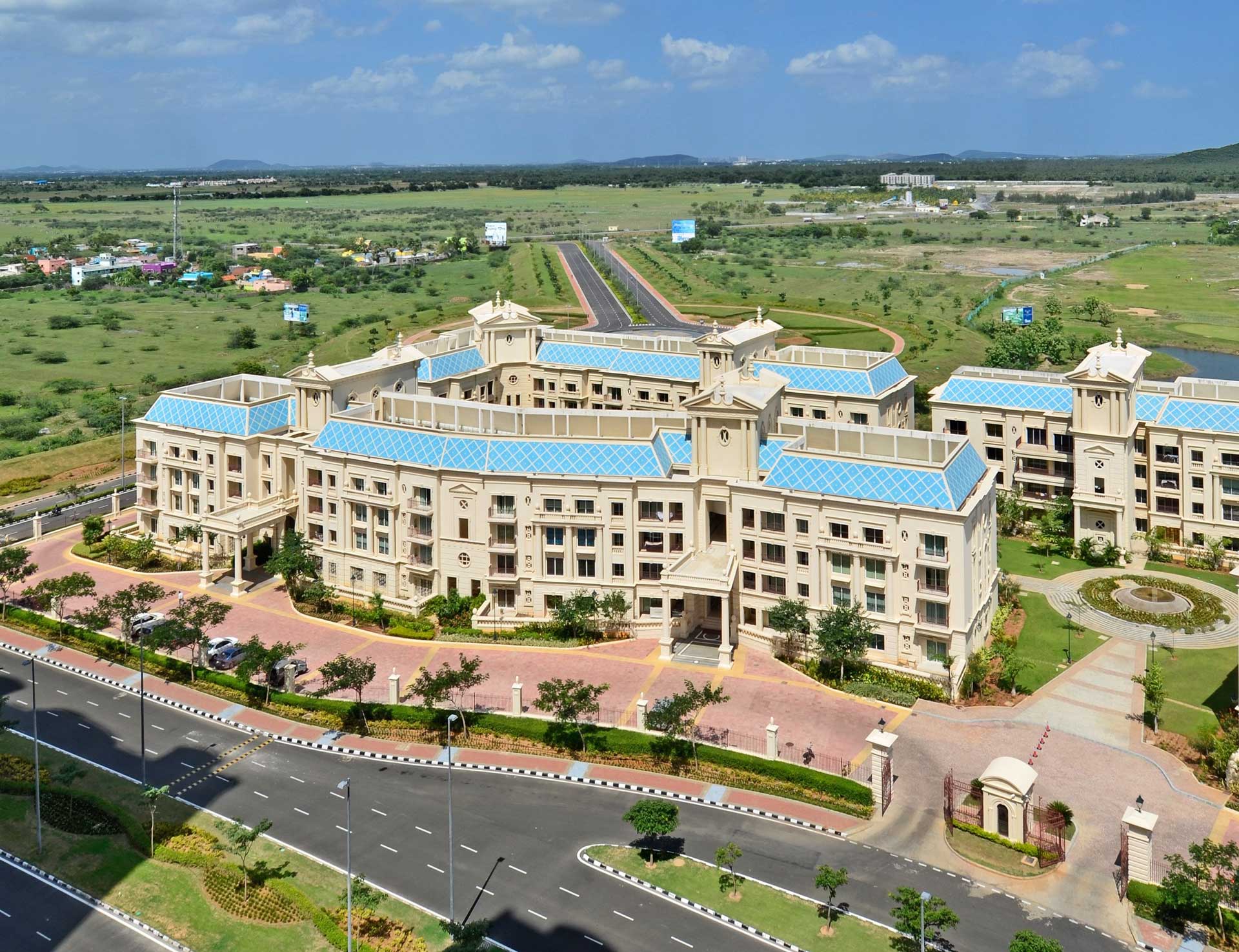
Hiranandani Palace Gardens, Chennai, is a large-scale residential township envisioned as a self-sufficient urban precinct set within an expansive 149-hectare landscape. Conceived as an integrated master plan, the development balances built density with generous open space, creating a structured yet verdant residential environment.
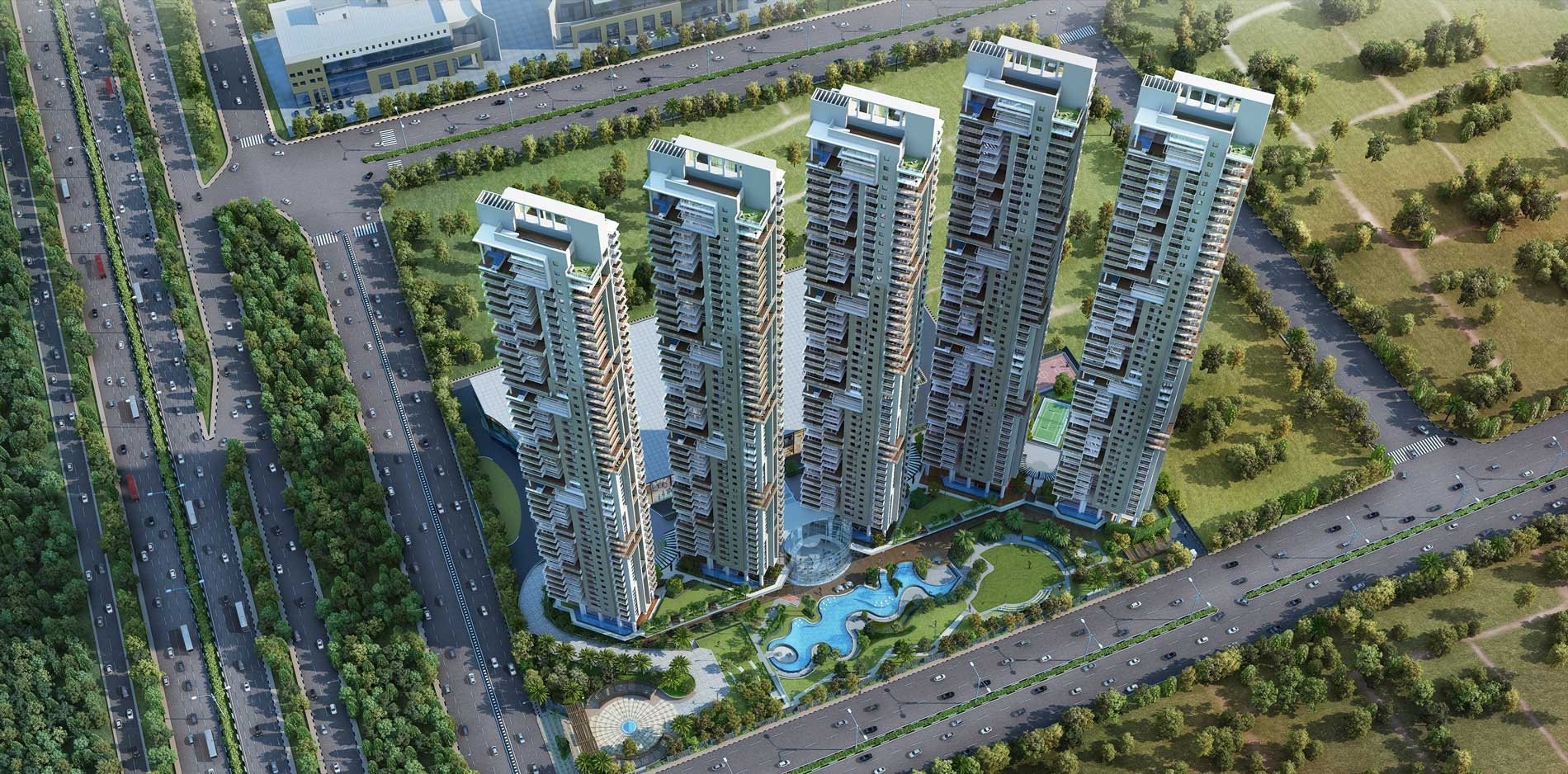
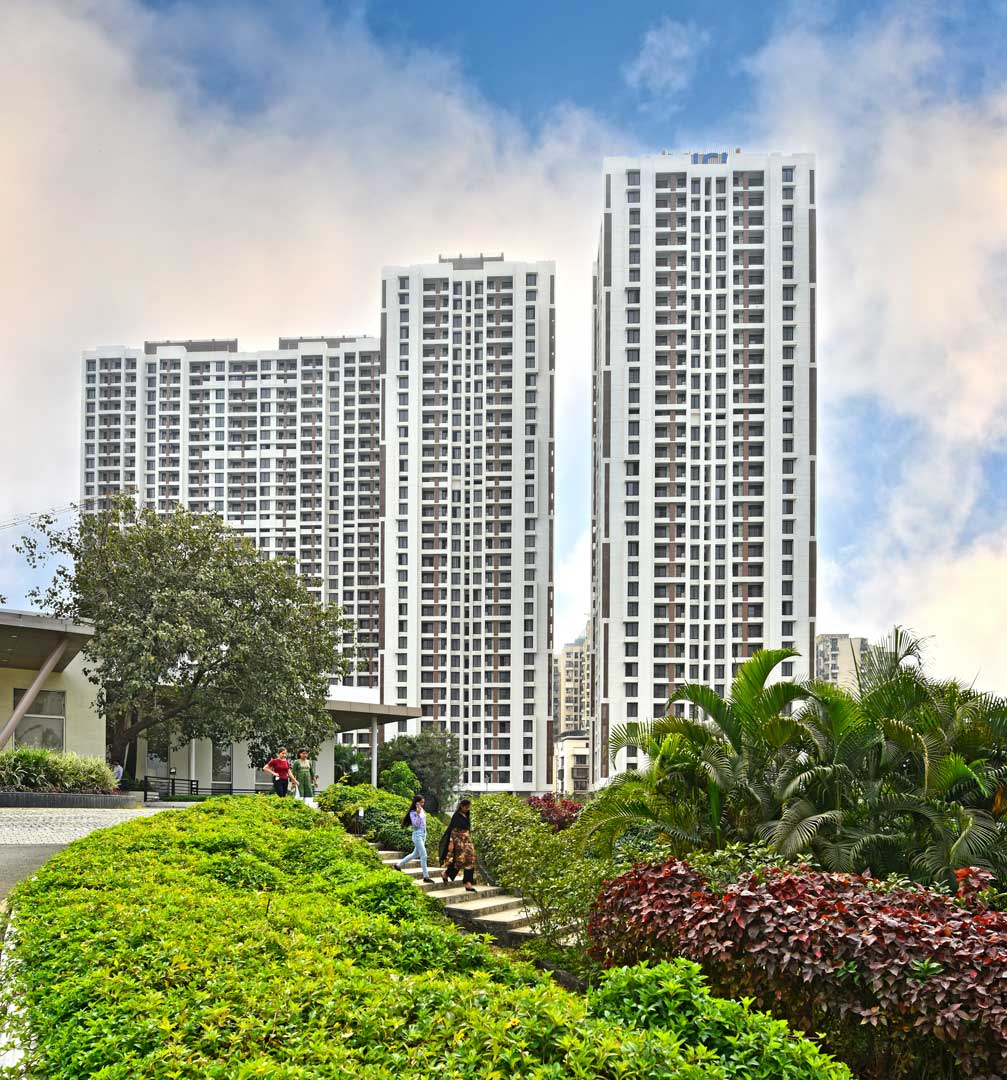
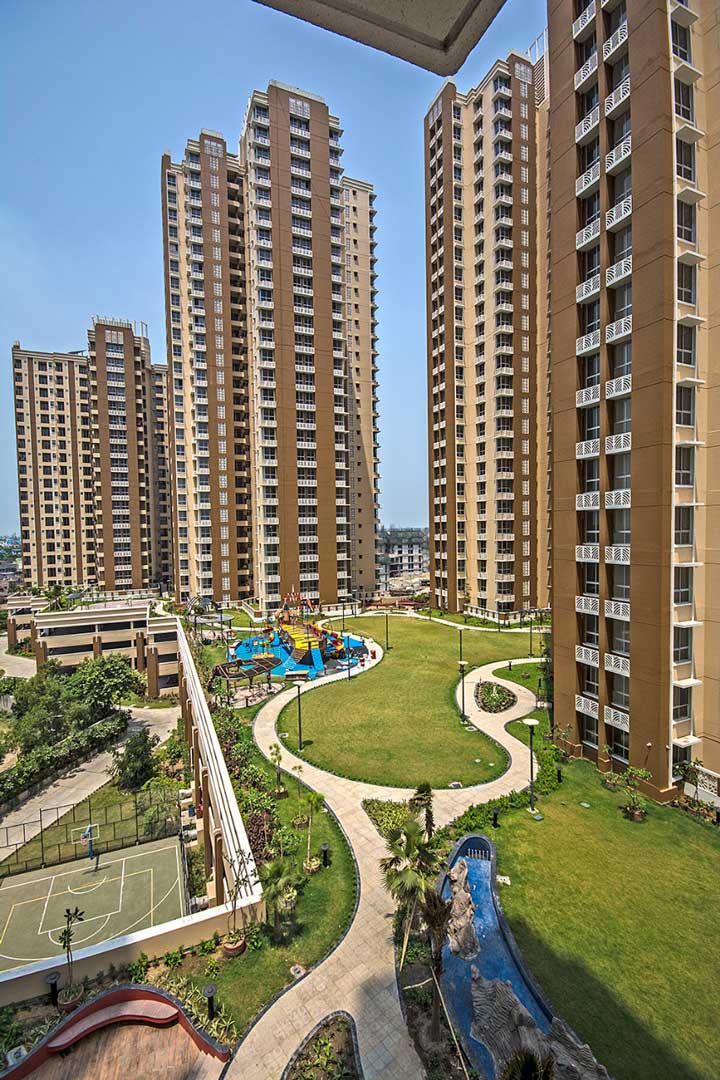
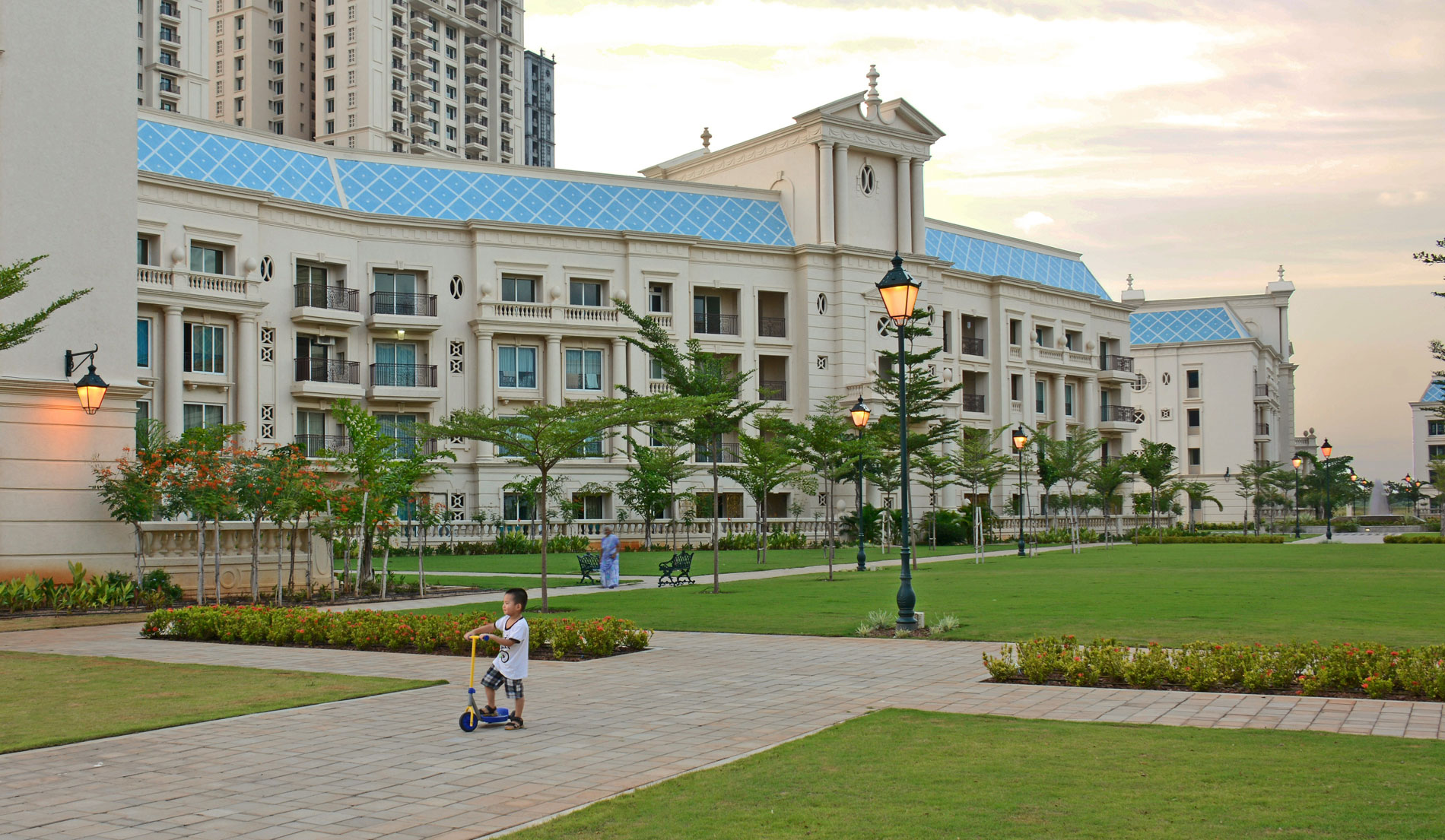
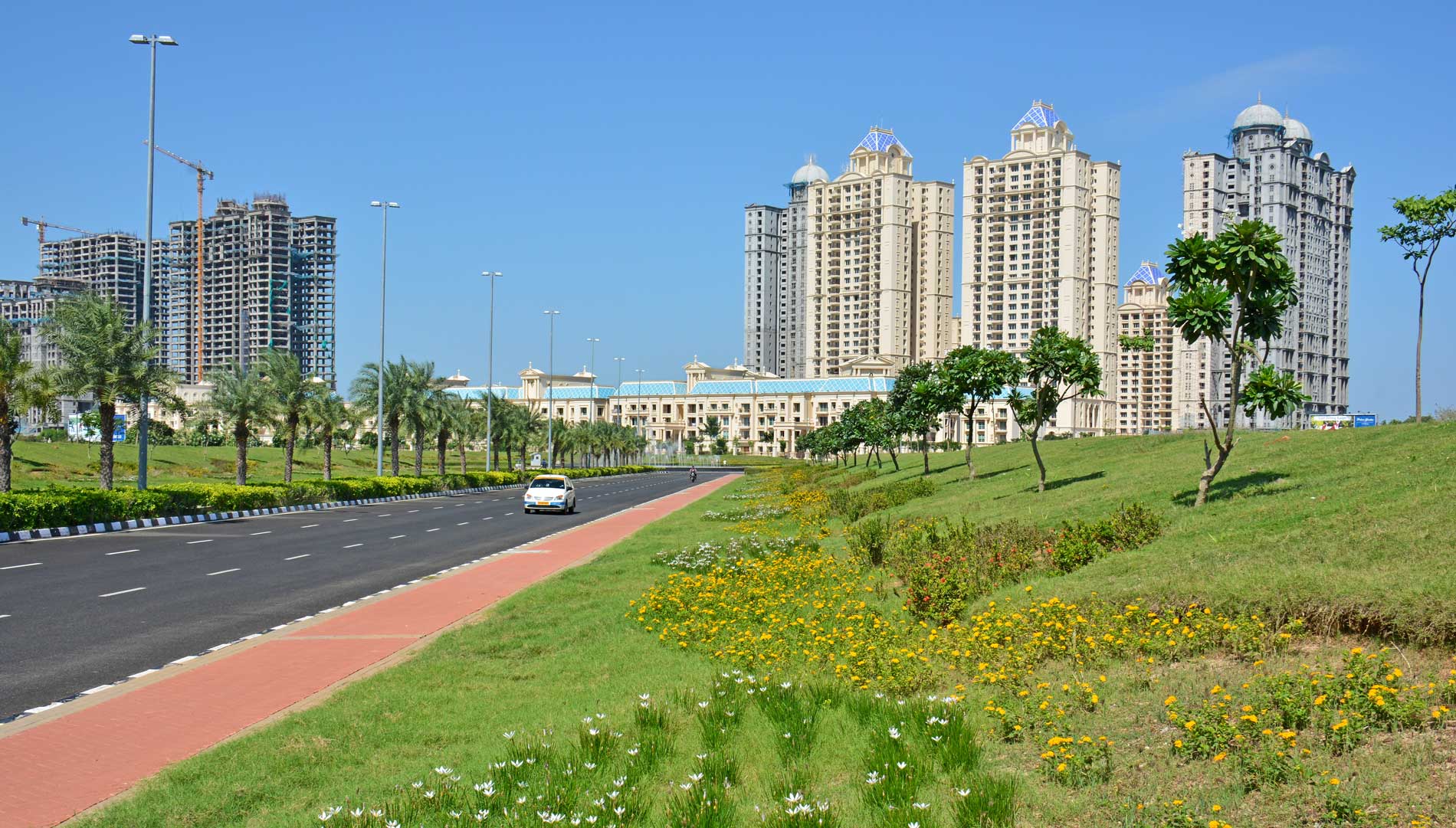
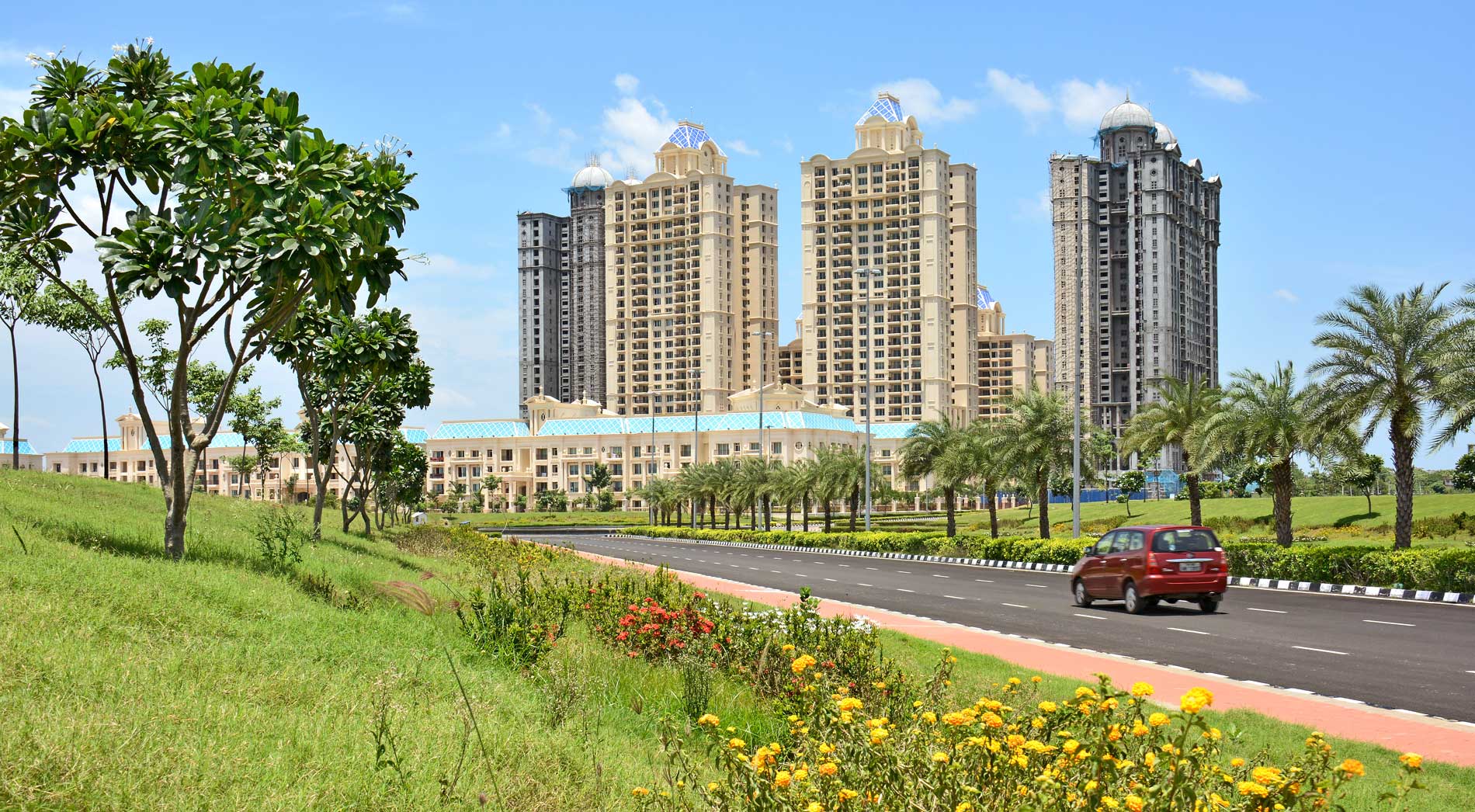
The master plan orchestrates a calibrated mix of high-rise residential towers and low-rise villas, supported by recreational, commercial, and community infrastructure. Residential buildings are strategically positioned to preserve view corridors, ensure daylight penetration, and establish a clear hierarchy of streets, gardens, and neighbourhood clusters. Internal road networks are designed for legibility and ease of movement, while landscaped spines and open courts serve as shared social spaces.
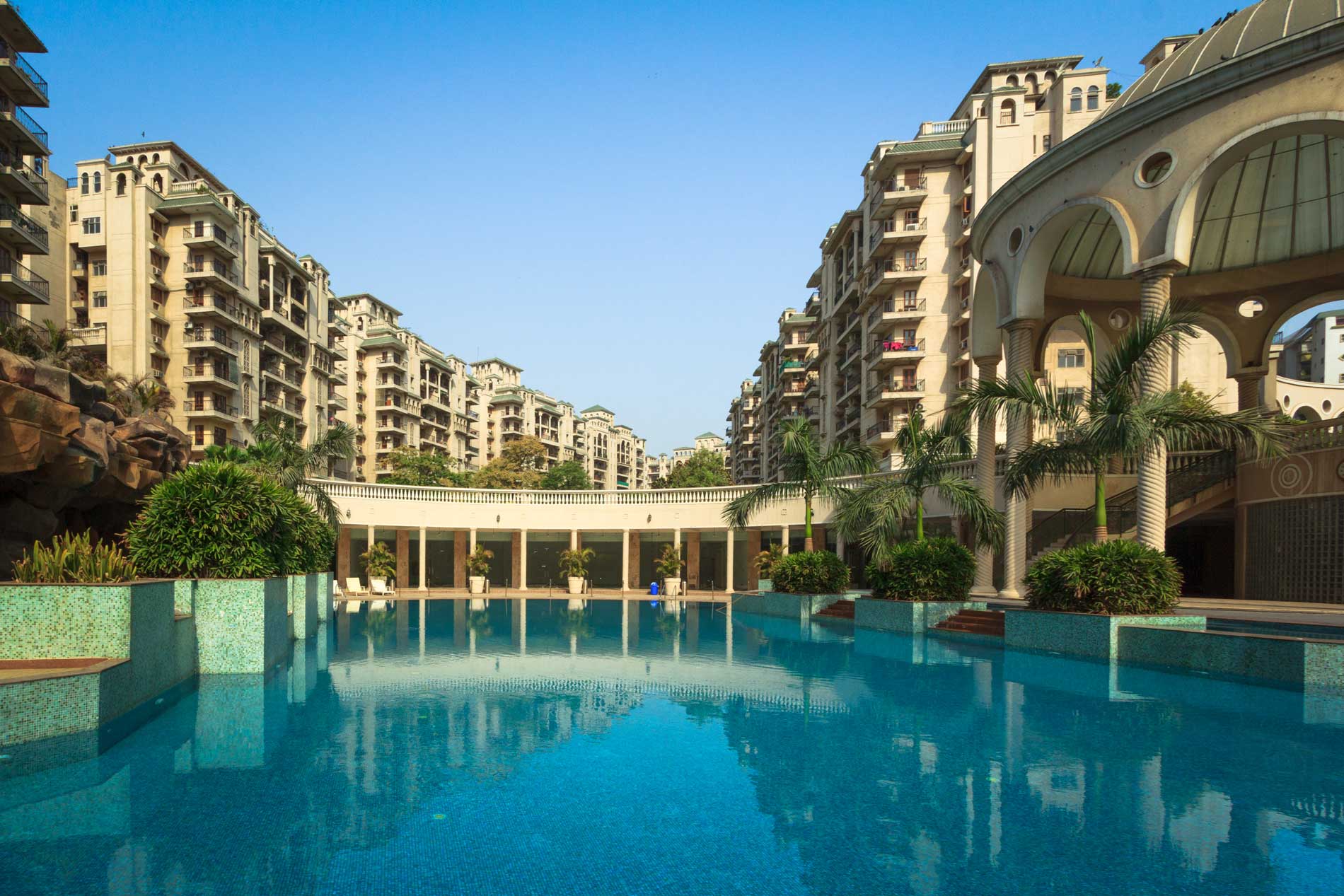
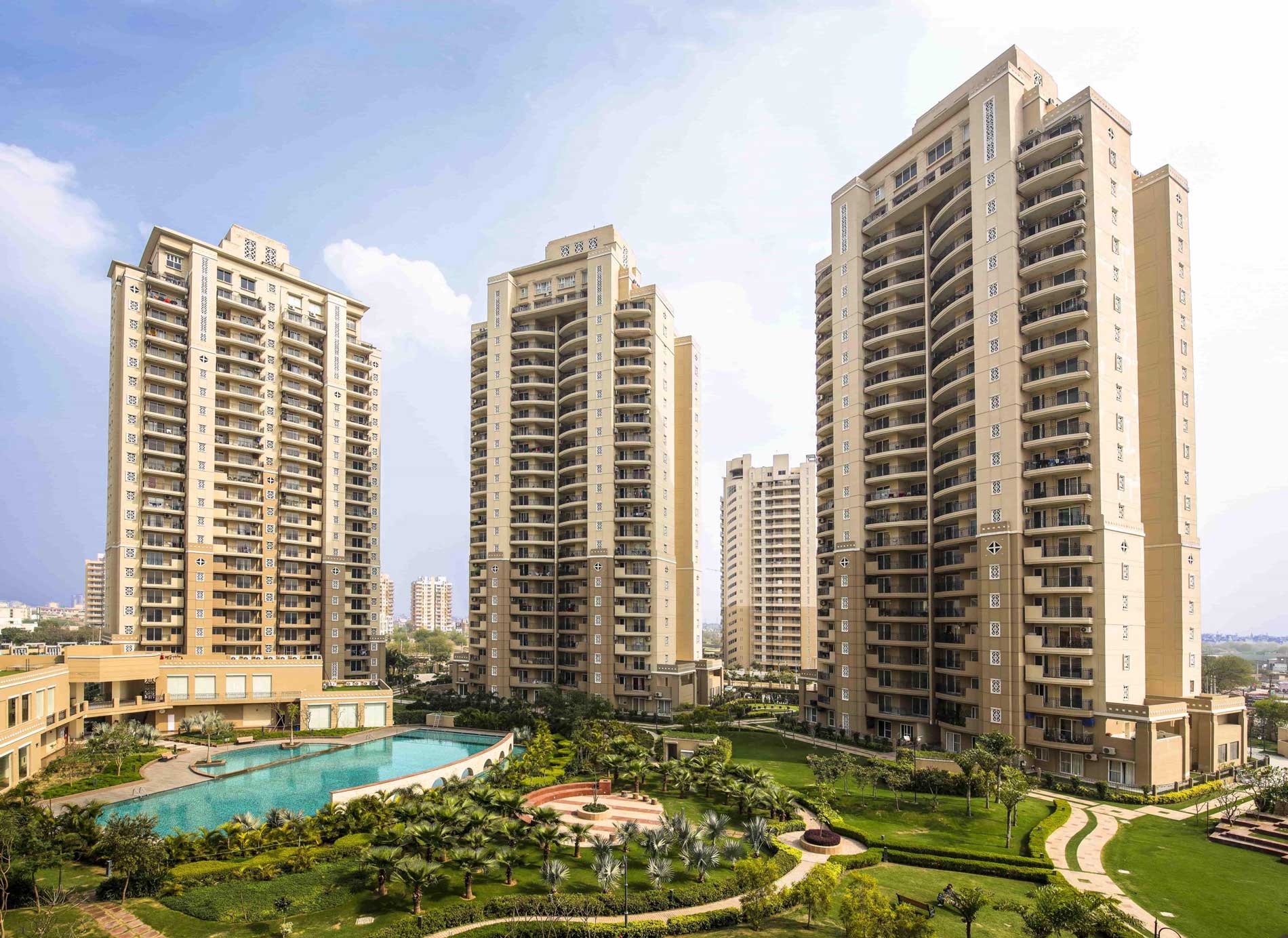
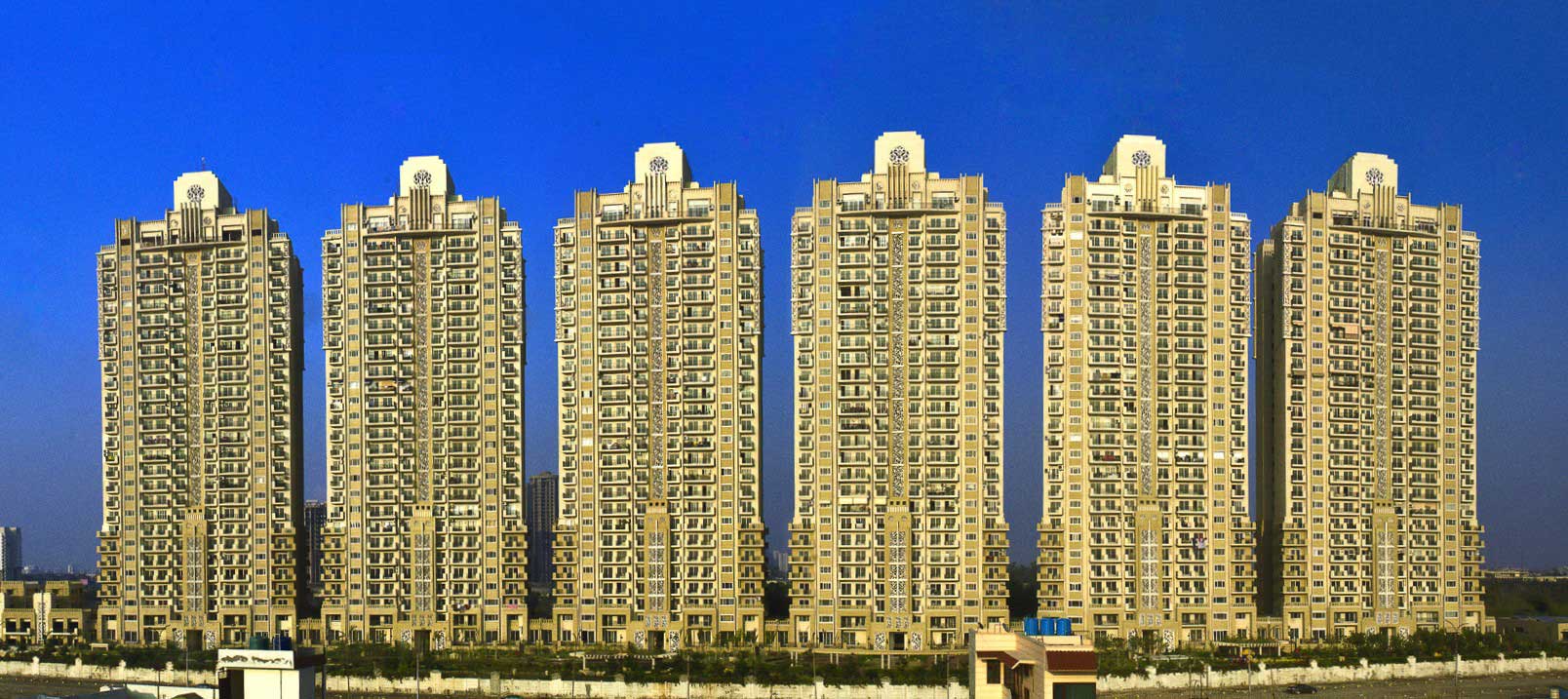
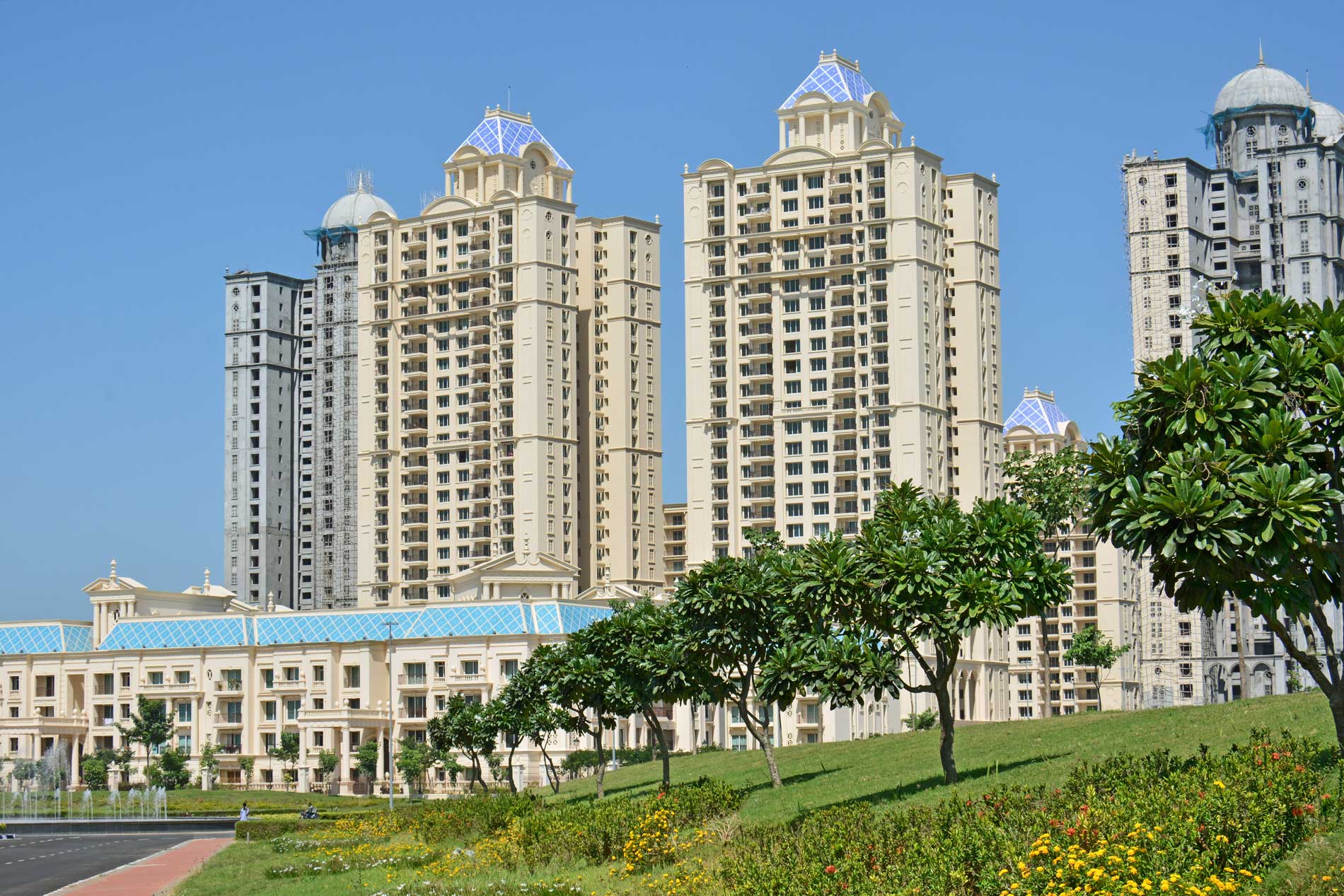
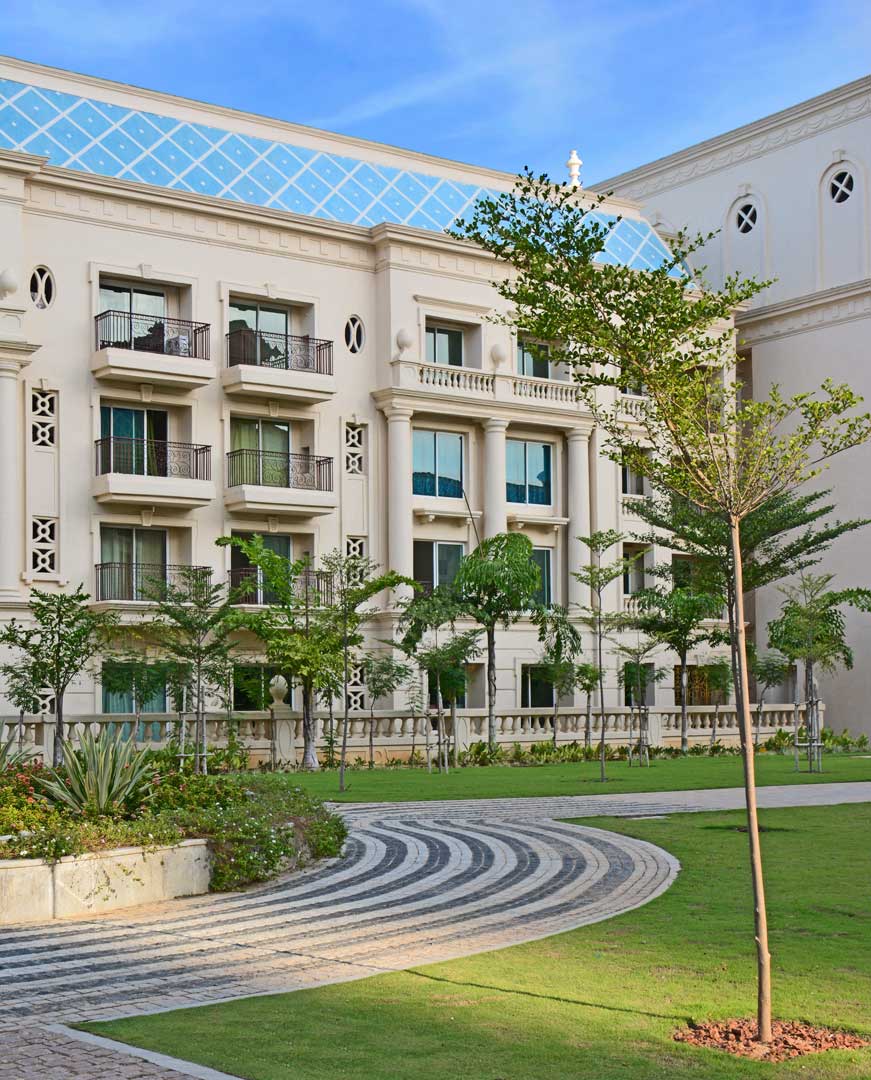
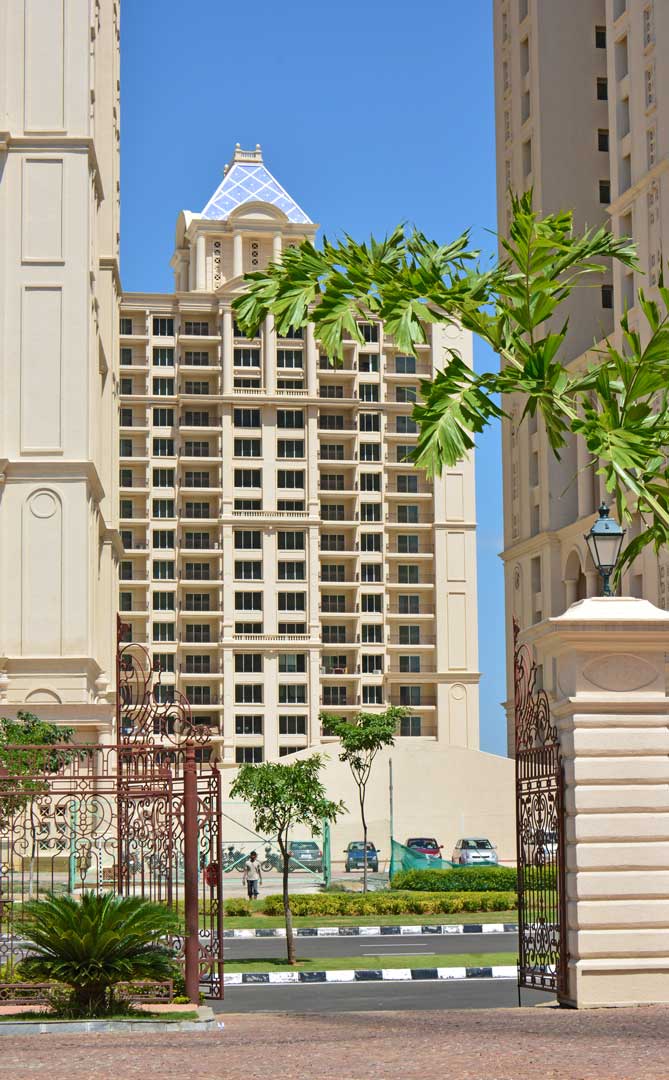
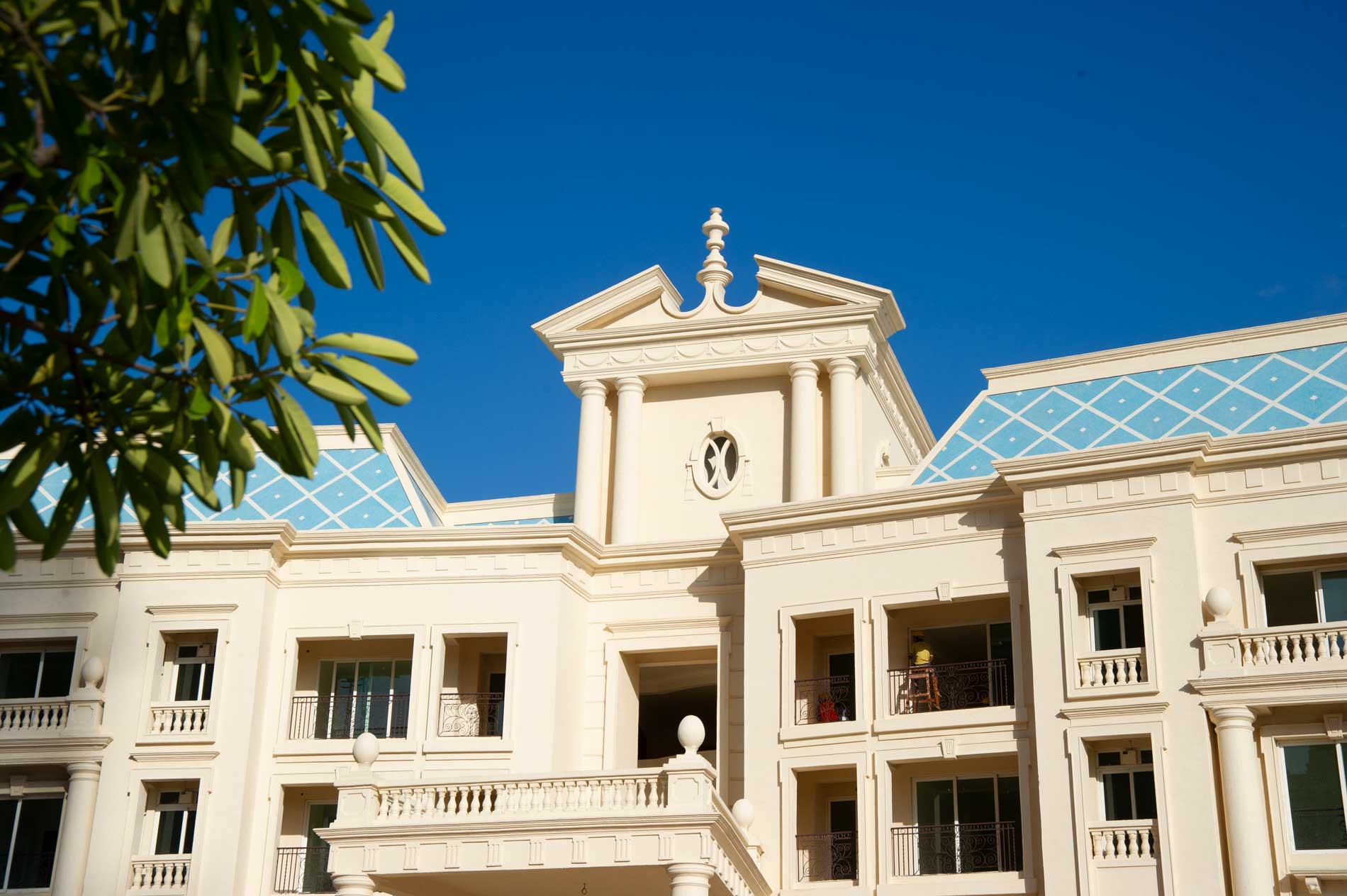
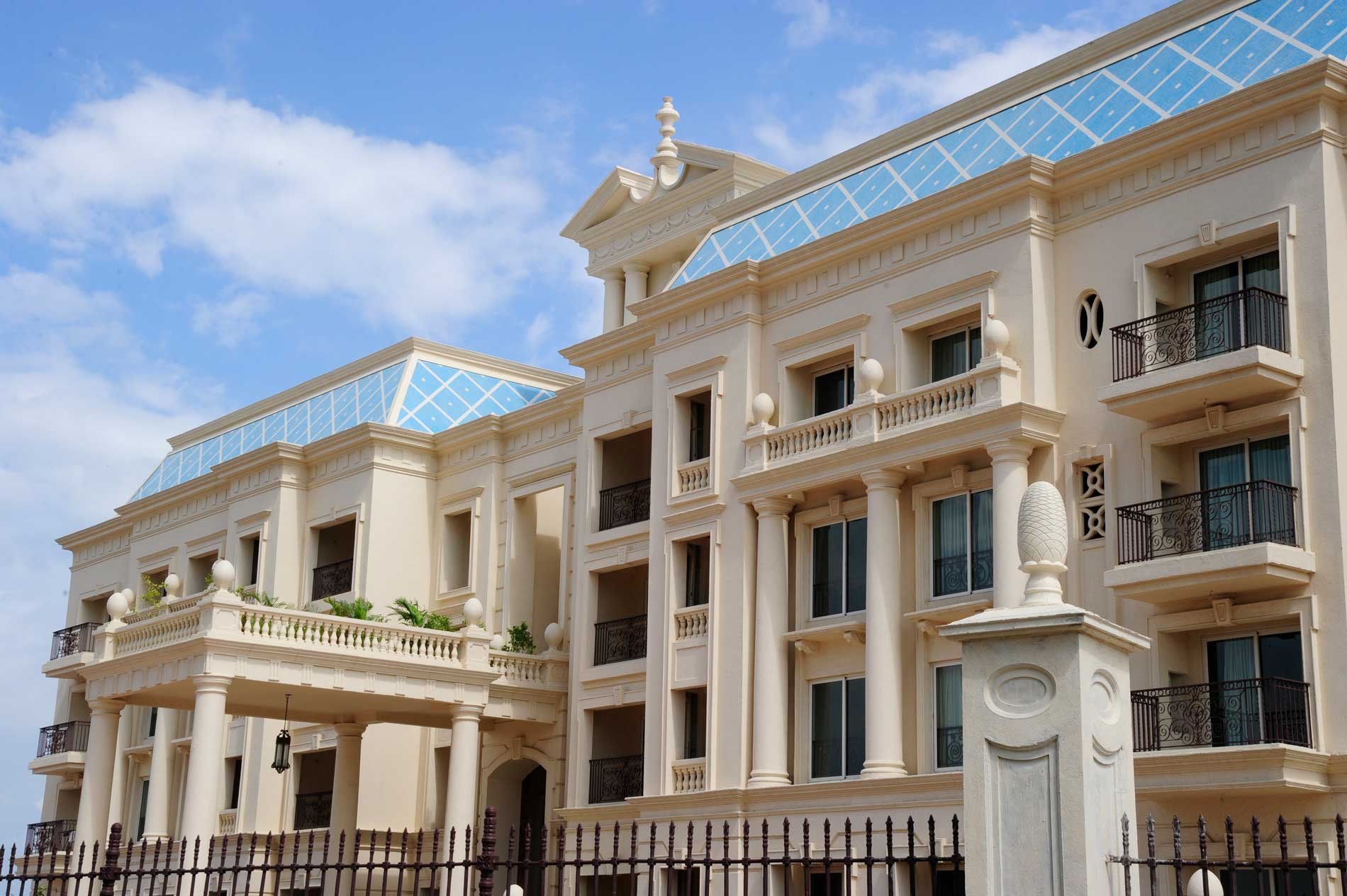
Architecturally, the township adopts a neoclassical design language, expressed through articulated façades, proportioned massing, and consistent architectural detailing. This formal coherence lends the development a strong visual identity while allowing variation across building types. Housing options range from two-, three-, and four-bedroom apartments to independent villas, enabling demographic diversity within a unified urban framework.
The development comprises 27 residential towers, rising between 16 and 28 storeys, with the tallest reaching 104 metres, carefully distributed across the site to avoid visual congestion. Recreational infrastructure is integral to the planning, including gardens, jogging tracks, playgrounds, clubhouses, and extensive sports facilities. A defining feature is the 250-metre-long, 12-bay golf driving range, along with a proposed nine-hole golf course spanning approximately 20 hectares, reinforcing the project’s landscape-led character. A contemporary model of township-scale living—the project represents architecture, landscape, and infrastructure are synthesised into a cohesive urban environment.