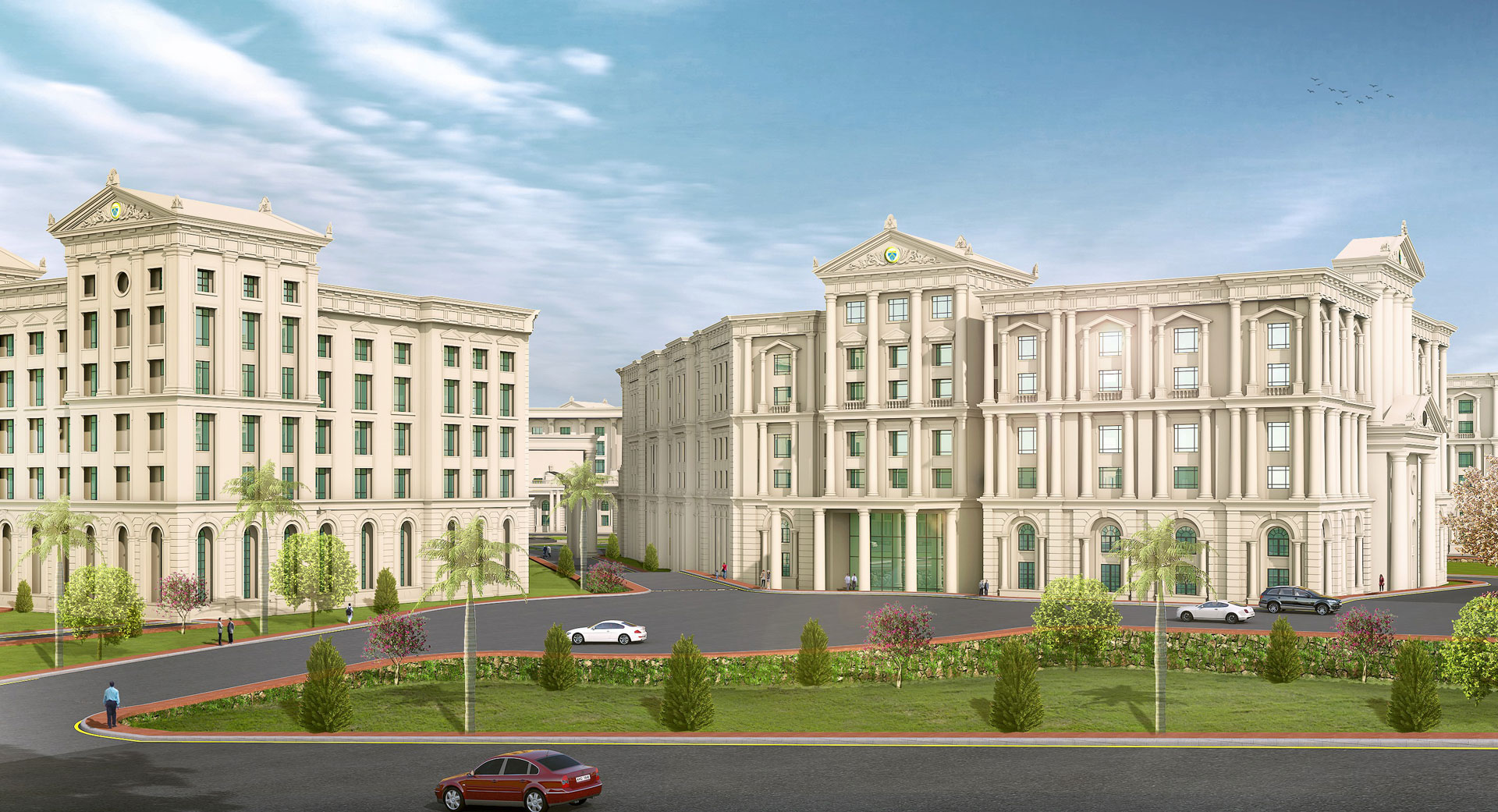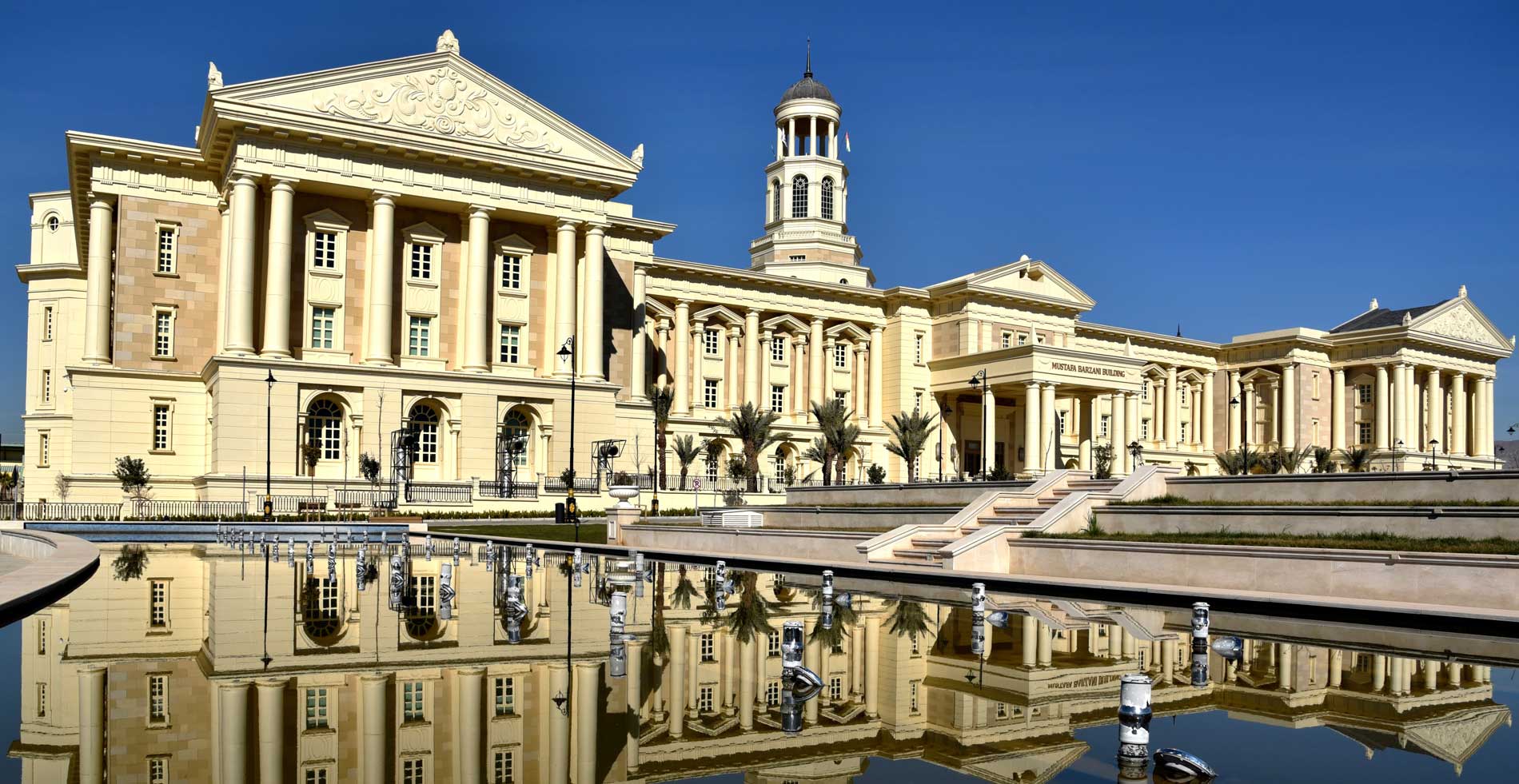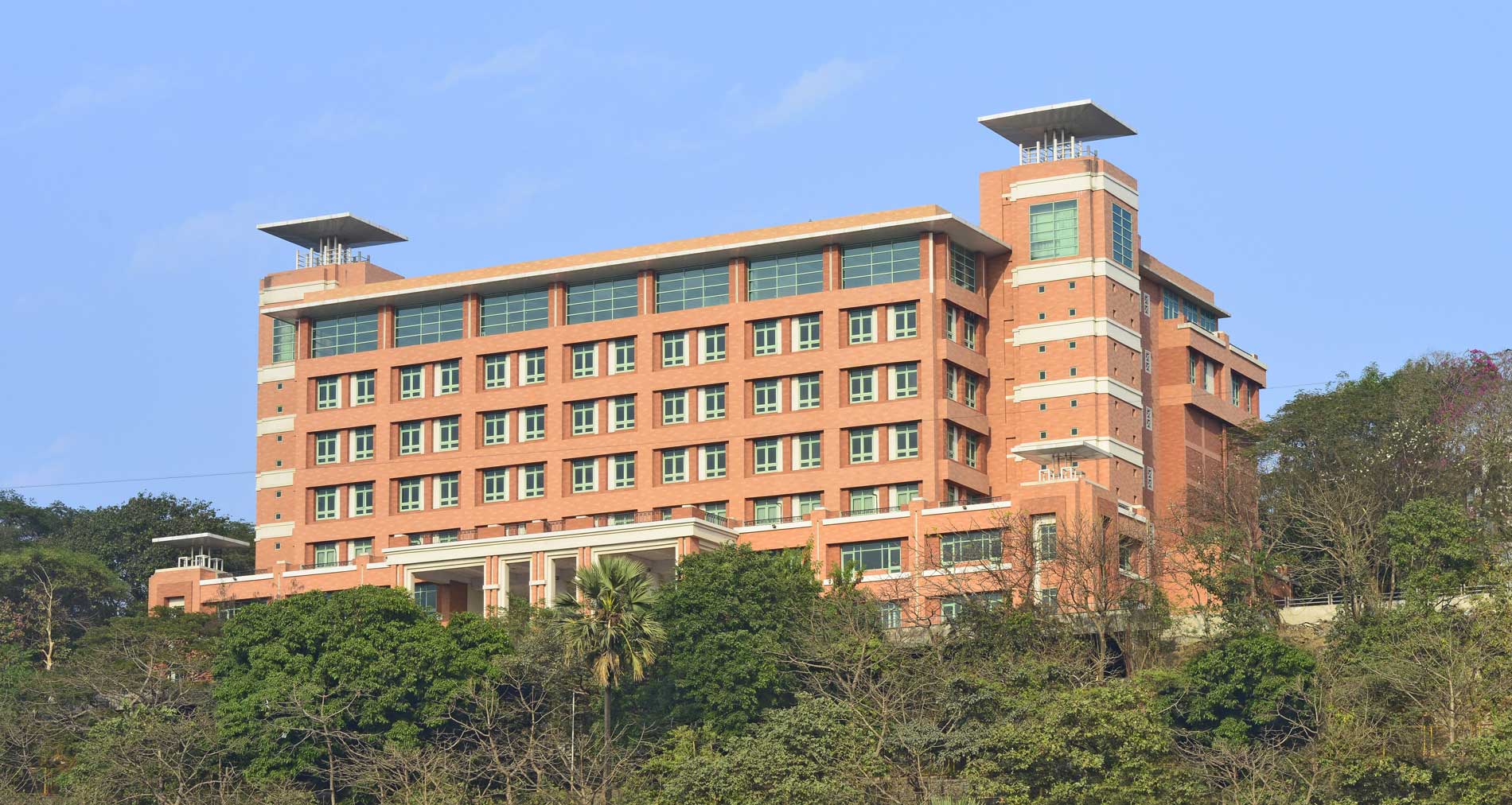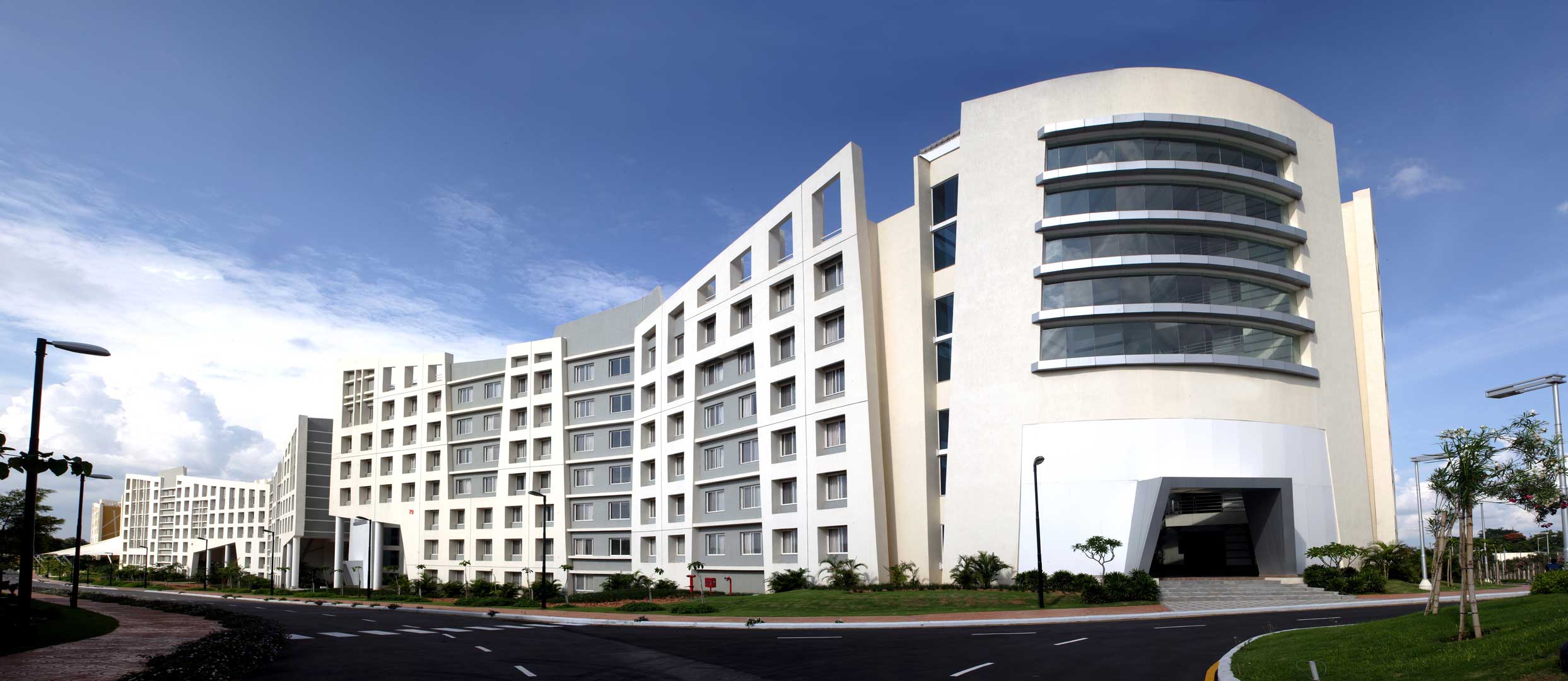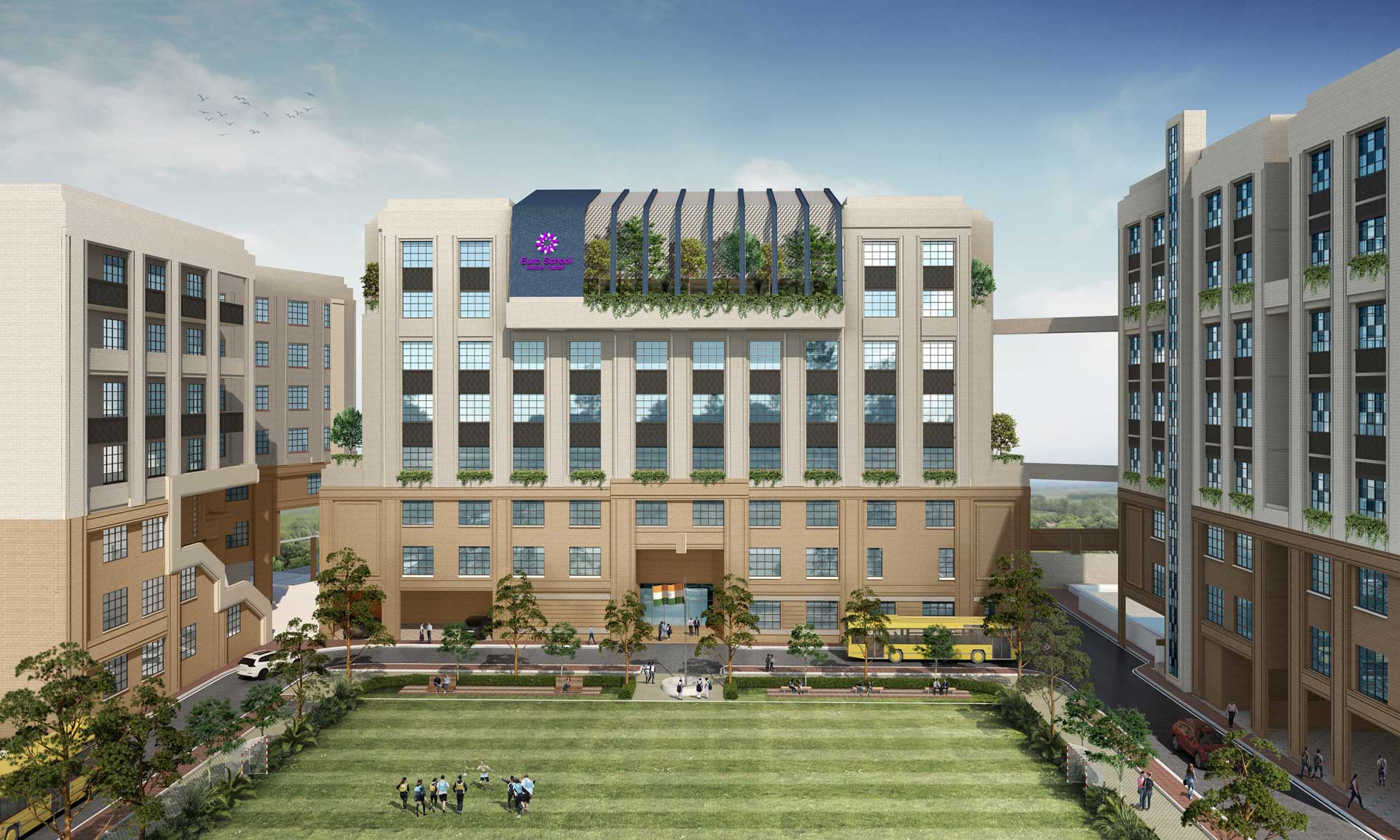





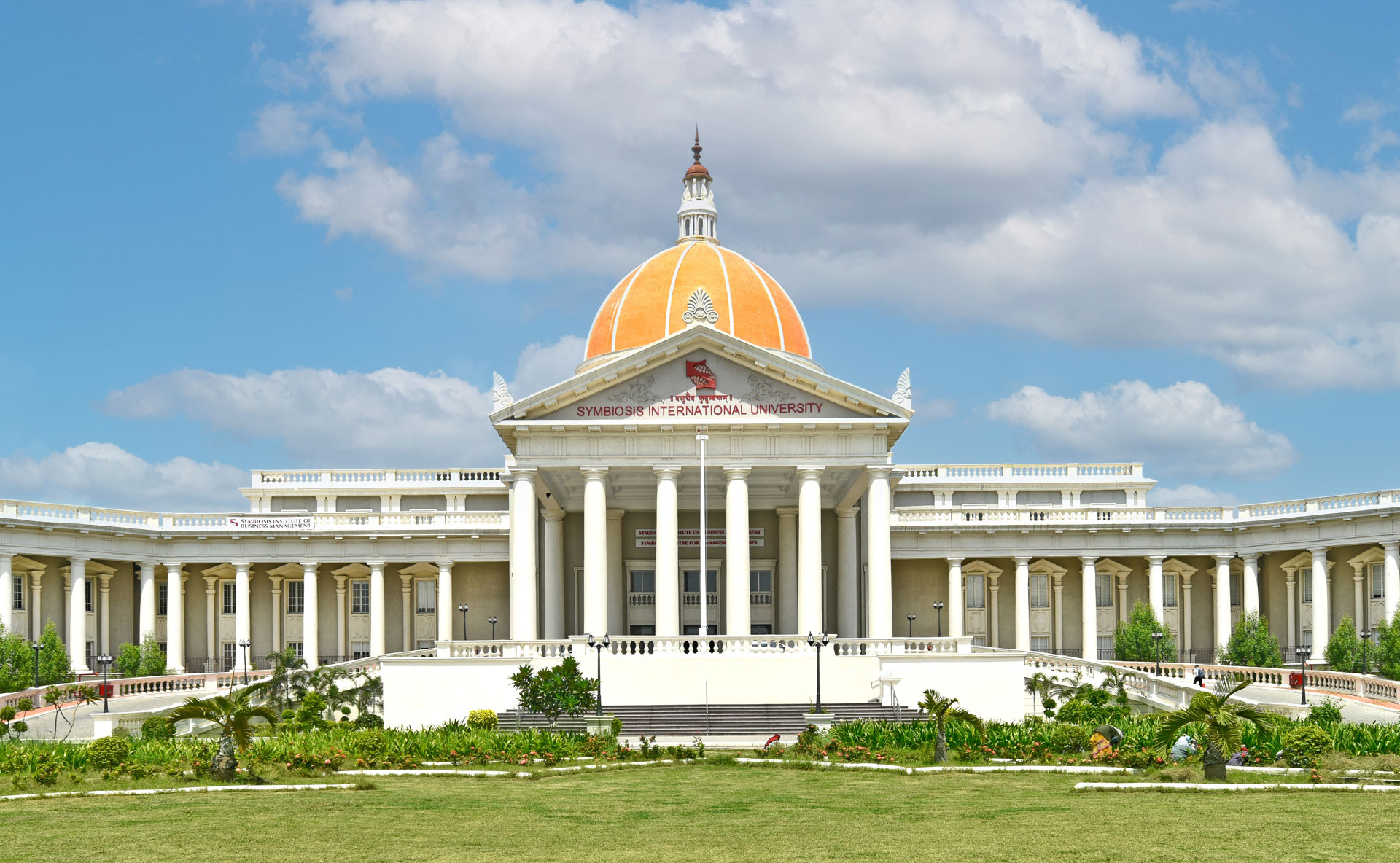
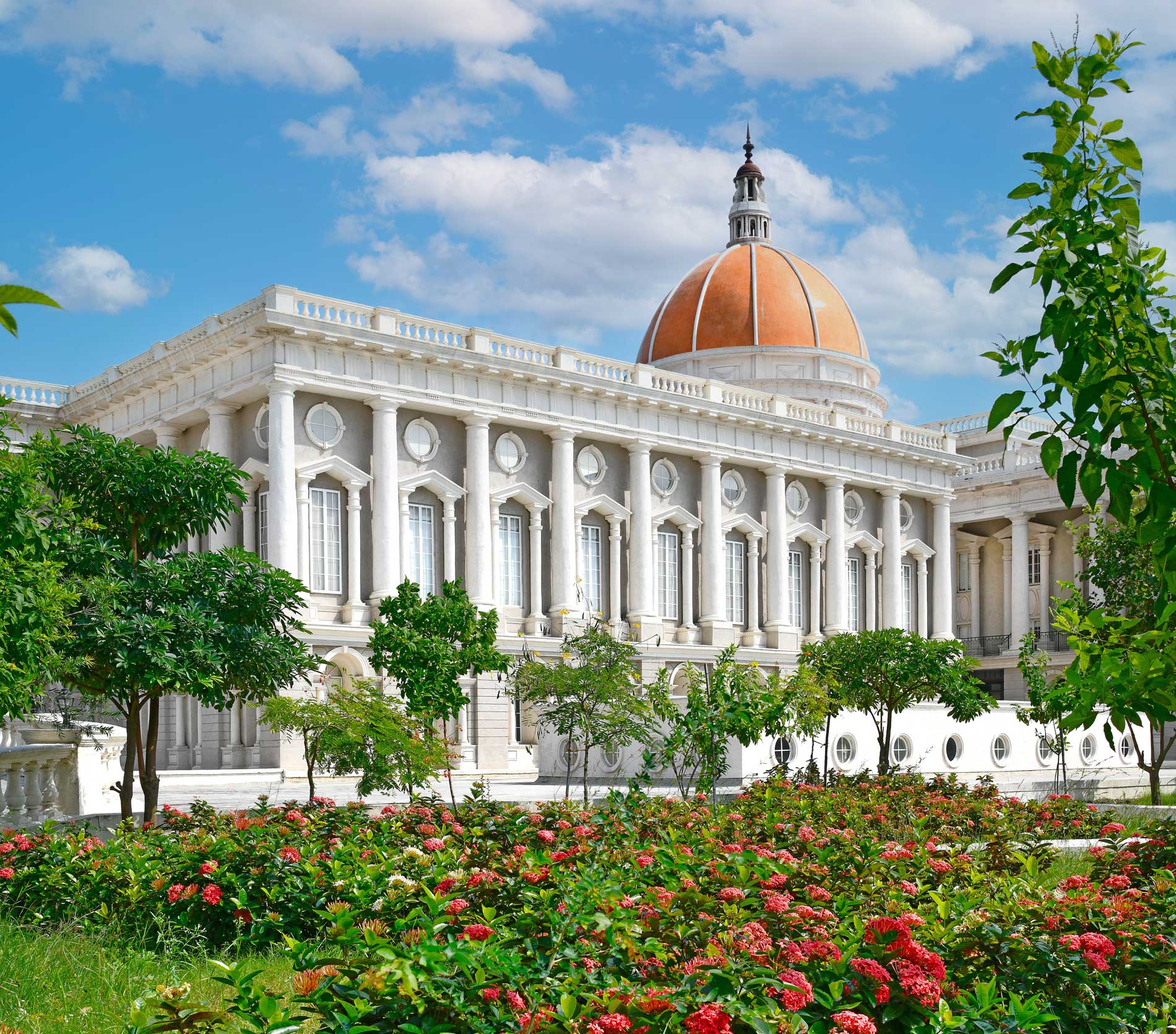
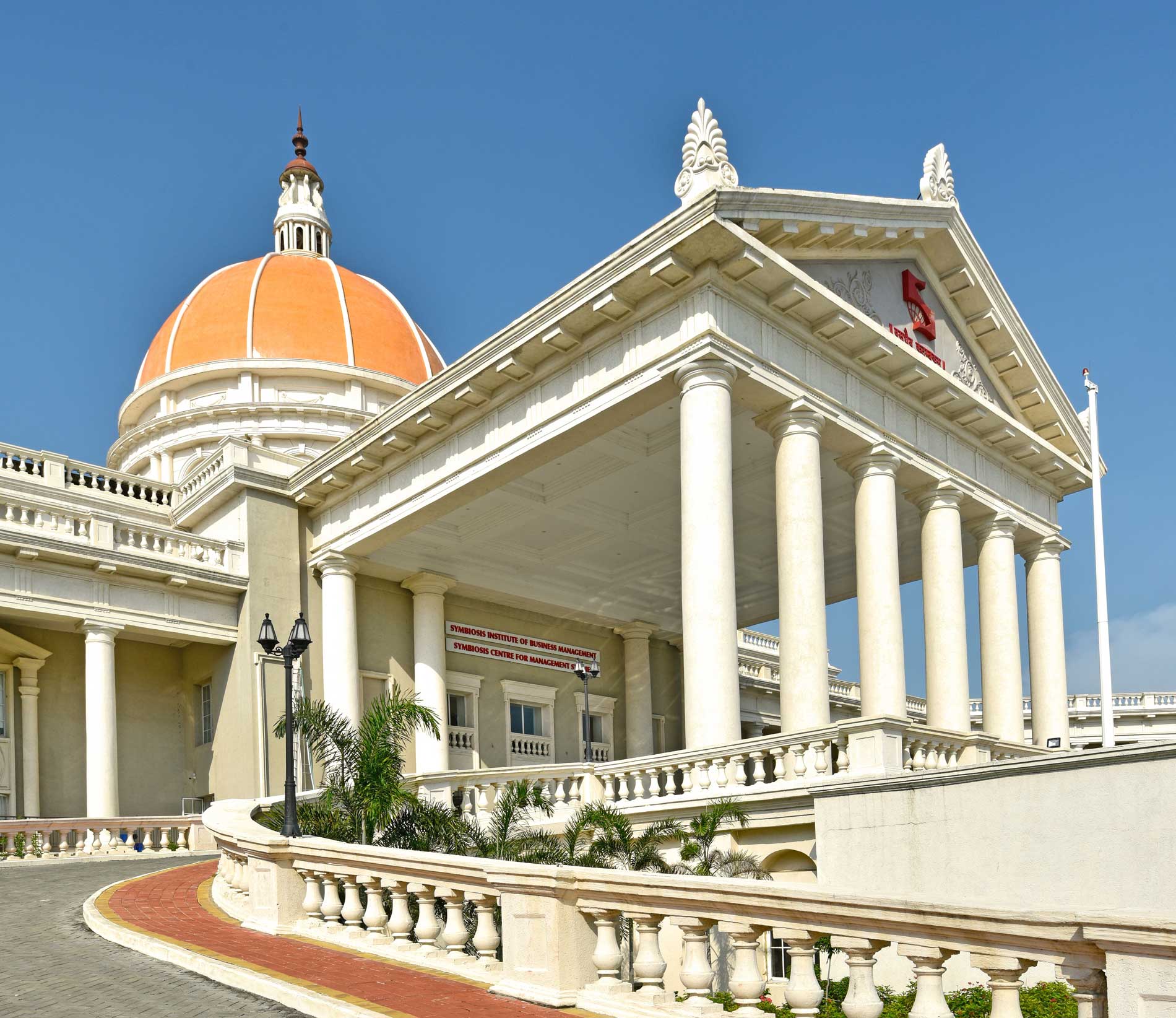
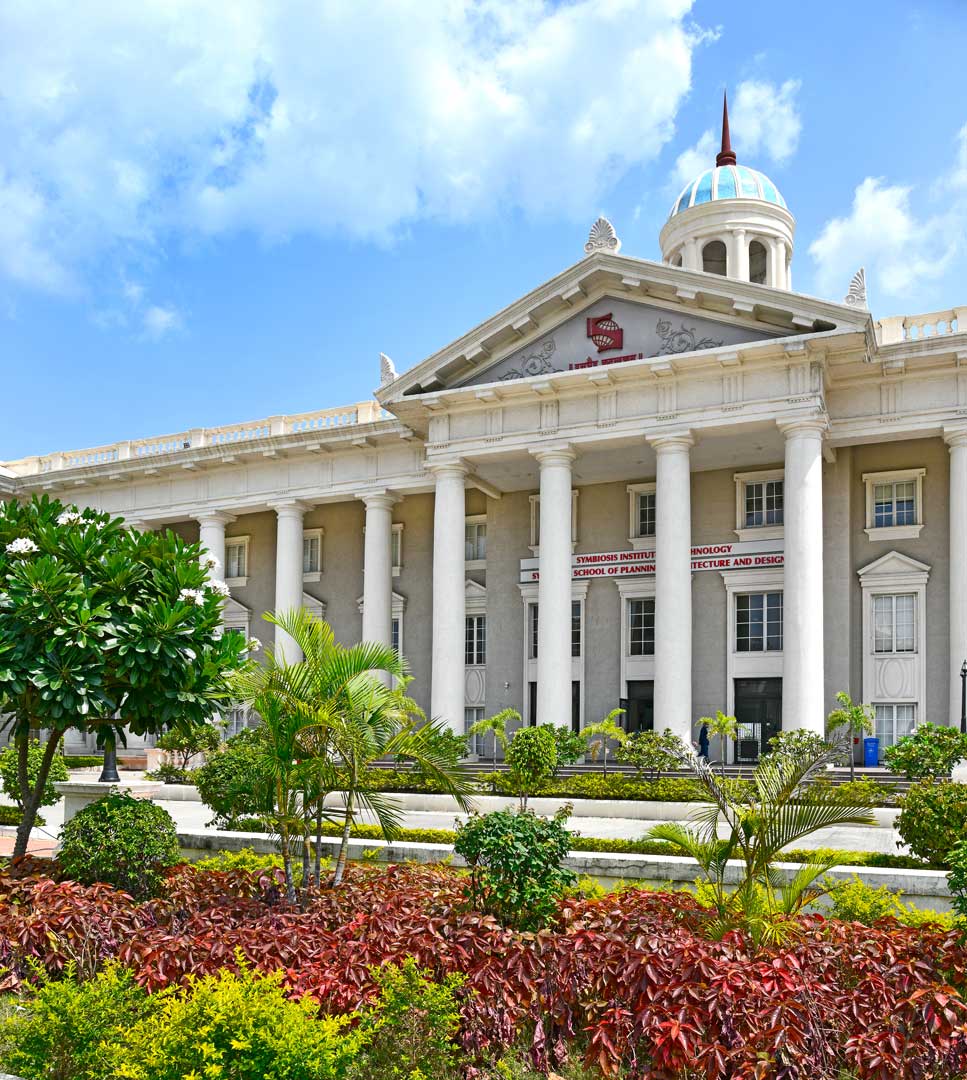
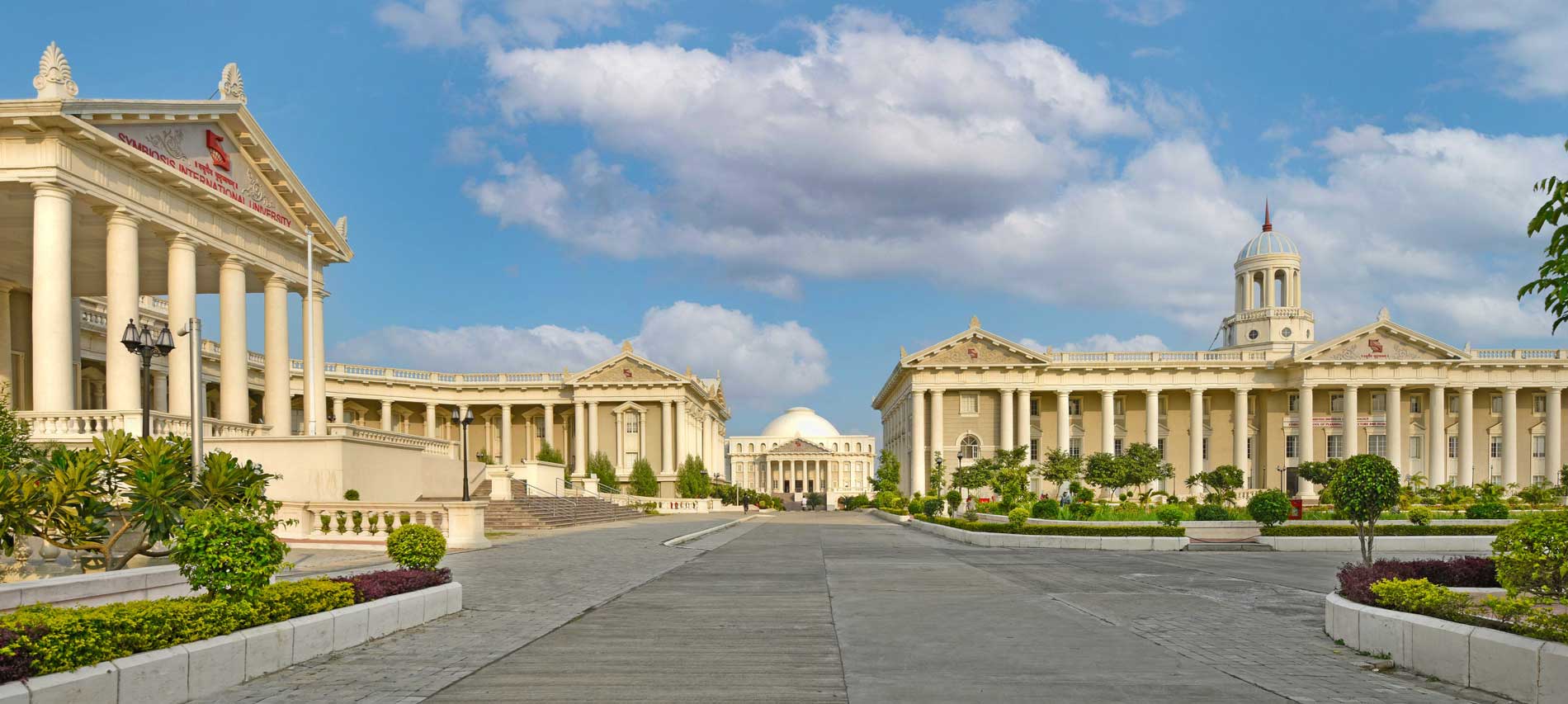
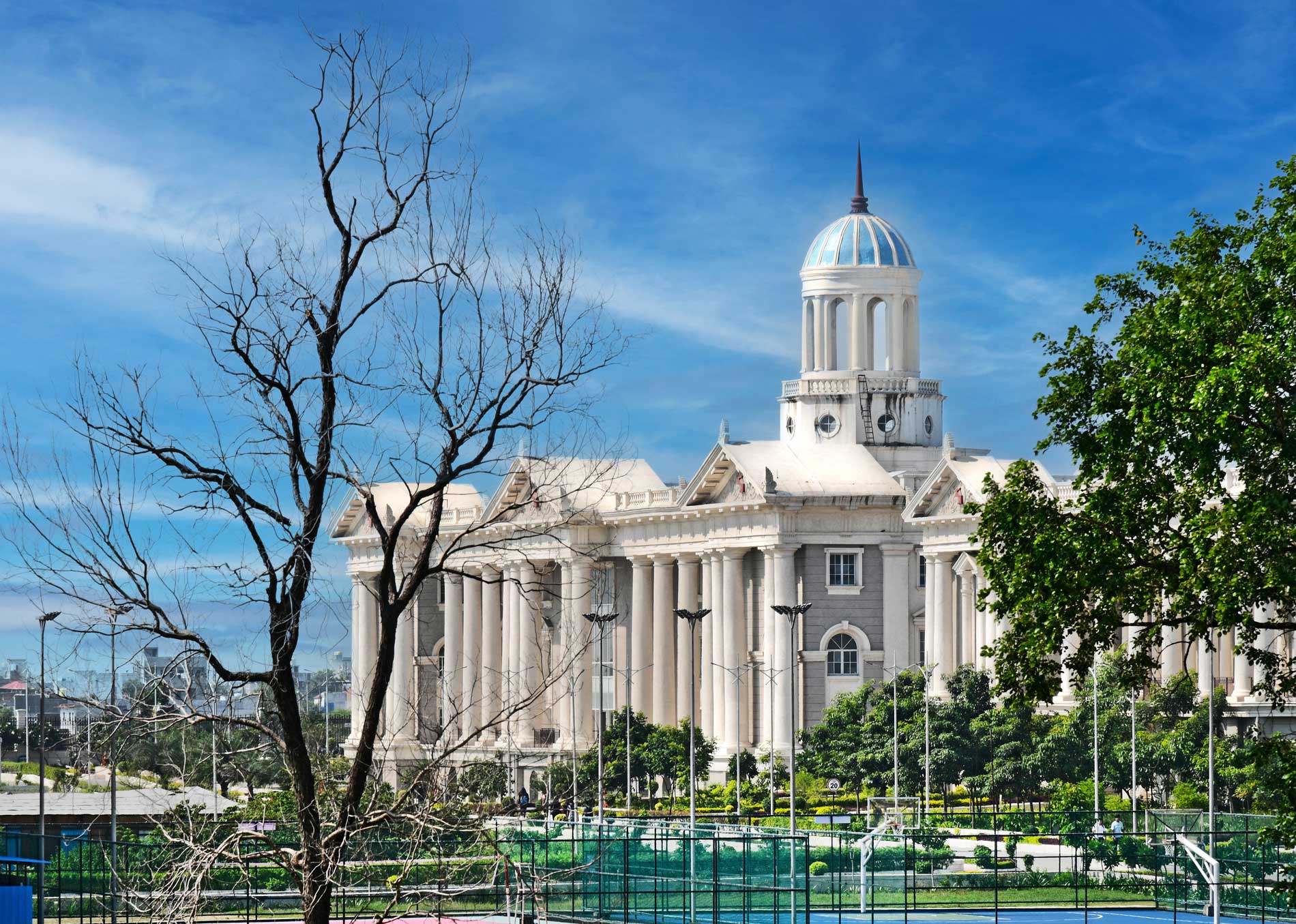
The Symbiosis International University campus is a 75-acre higher education institute rooted in Roman and Renaissance architectural traditions. Designed as a formal, axial campus, it reinterprets historical design language to create a contemporary sanctuary for learning, culture, and community.
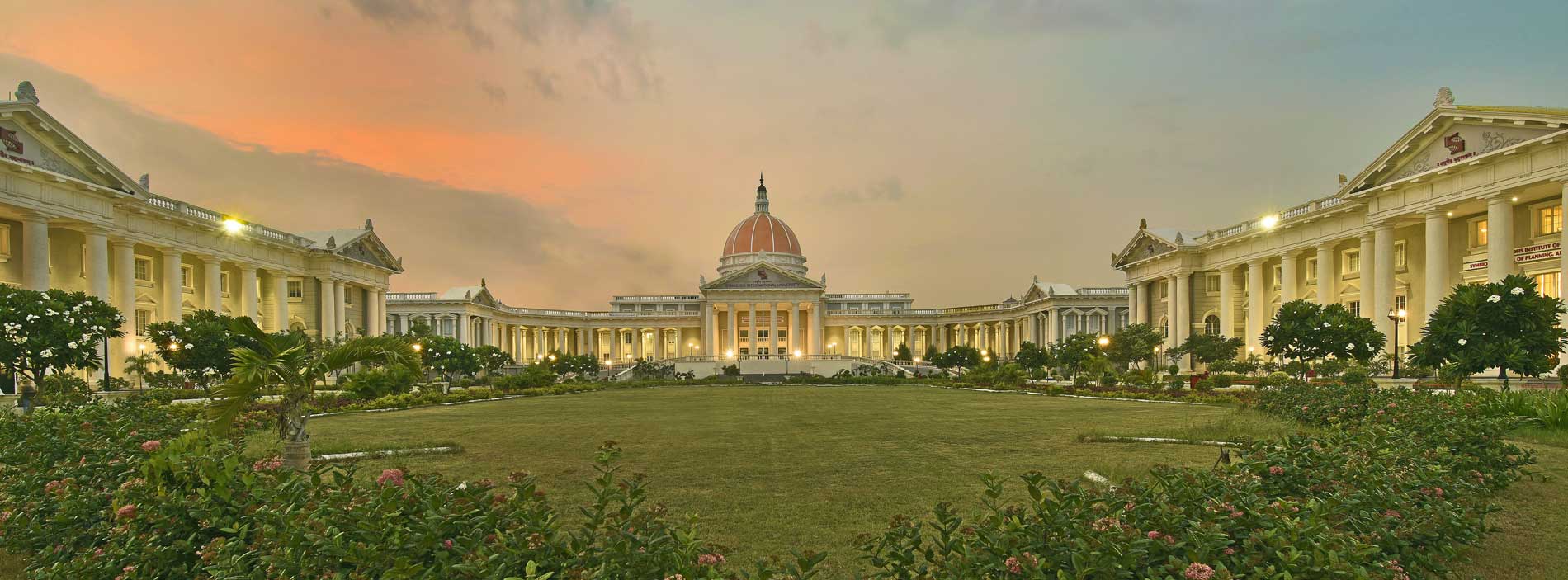
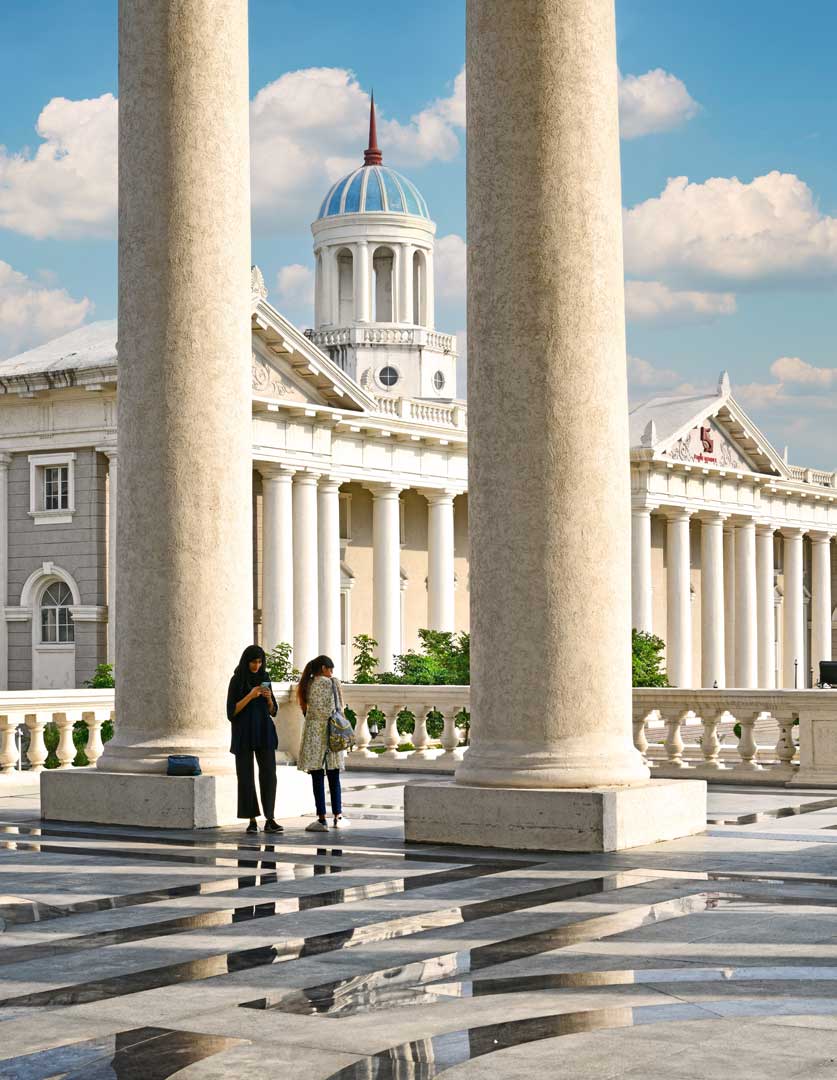
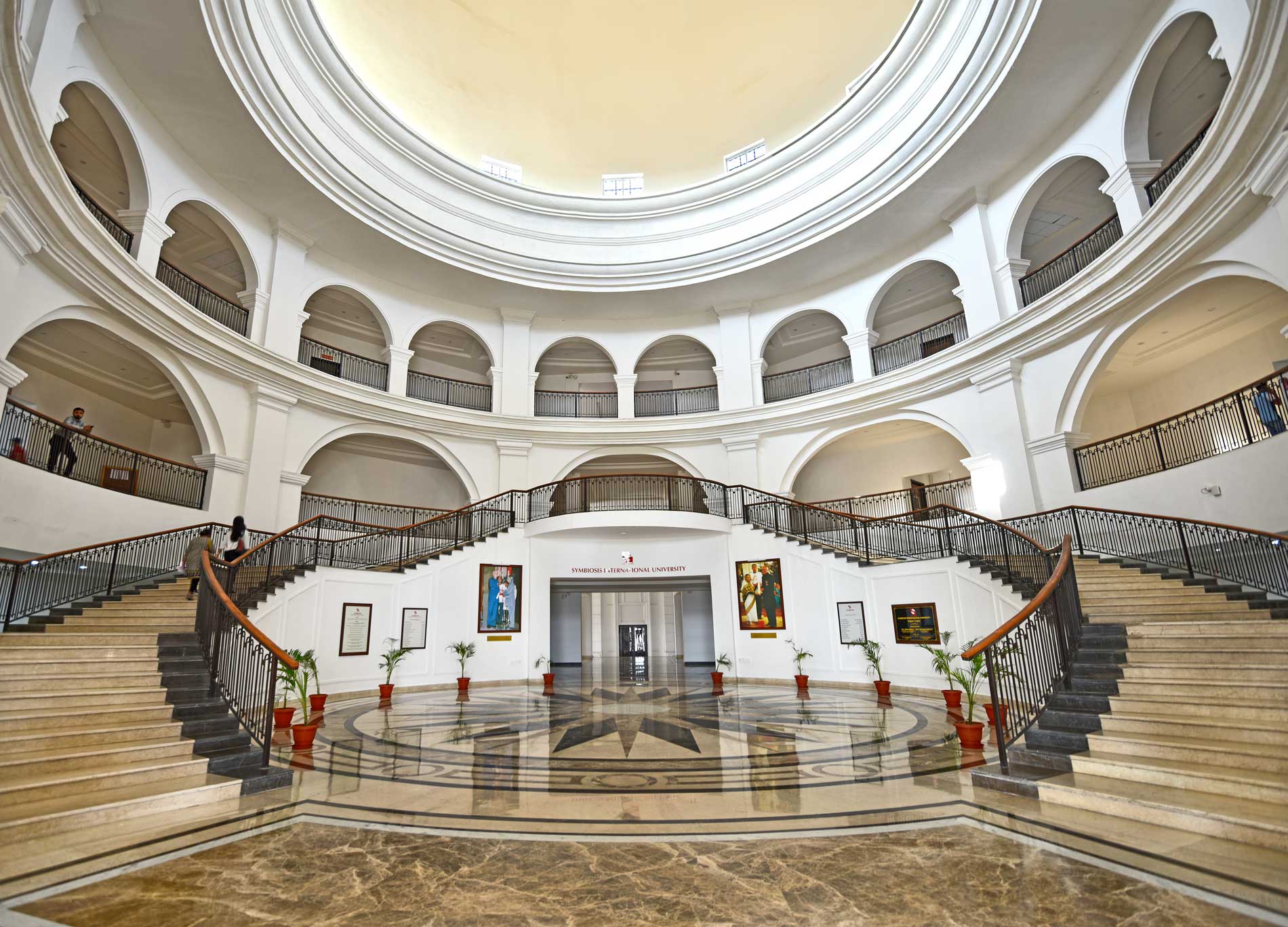
The planning centres around a grand central axis anchored by a domed central academic and administrative building. Colonnaded walkways, symmetrical porticoed facades, and the disciplined use of Doric columns lend the campus an enduring architectural identity. Academic blocks are arranged along the main axis to form an integrated knowledge corridor, punctuated by shaded courtyards and colonnades that enhance connectivity and walkability.
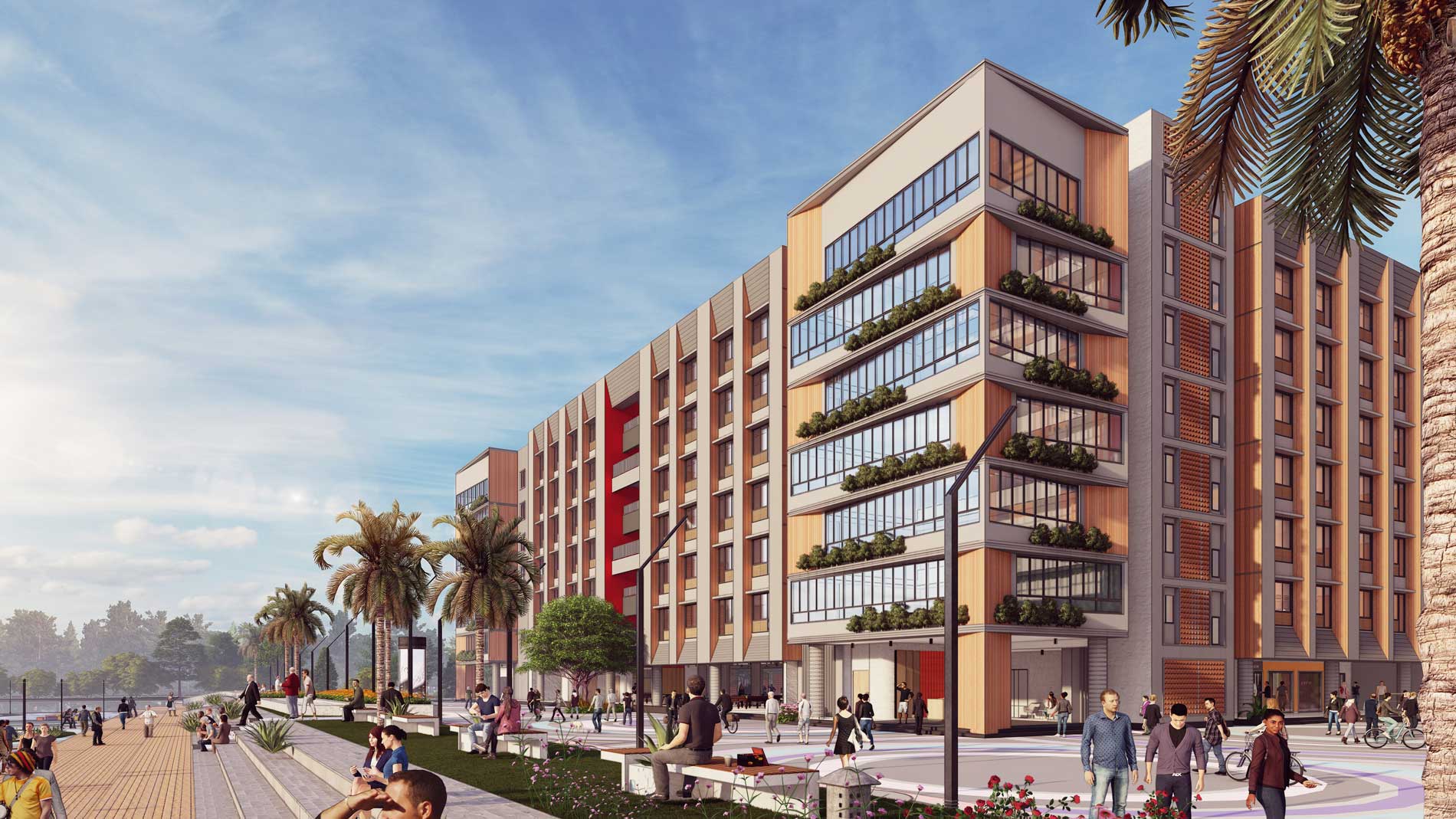
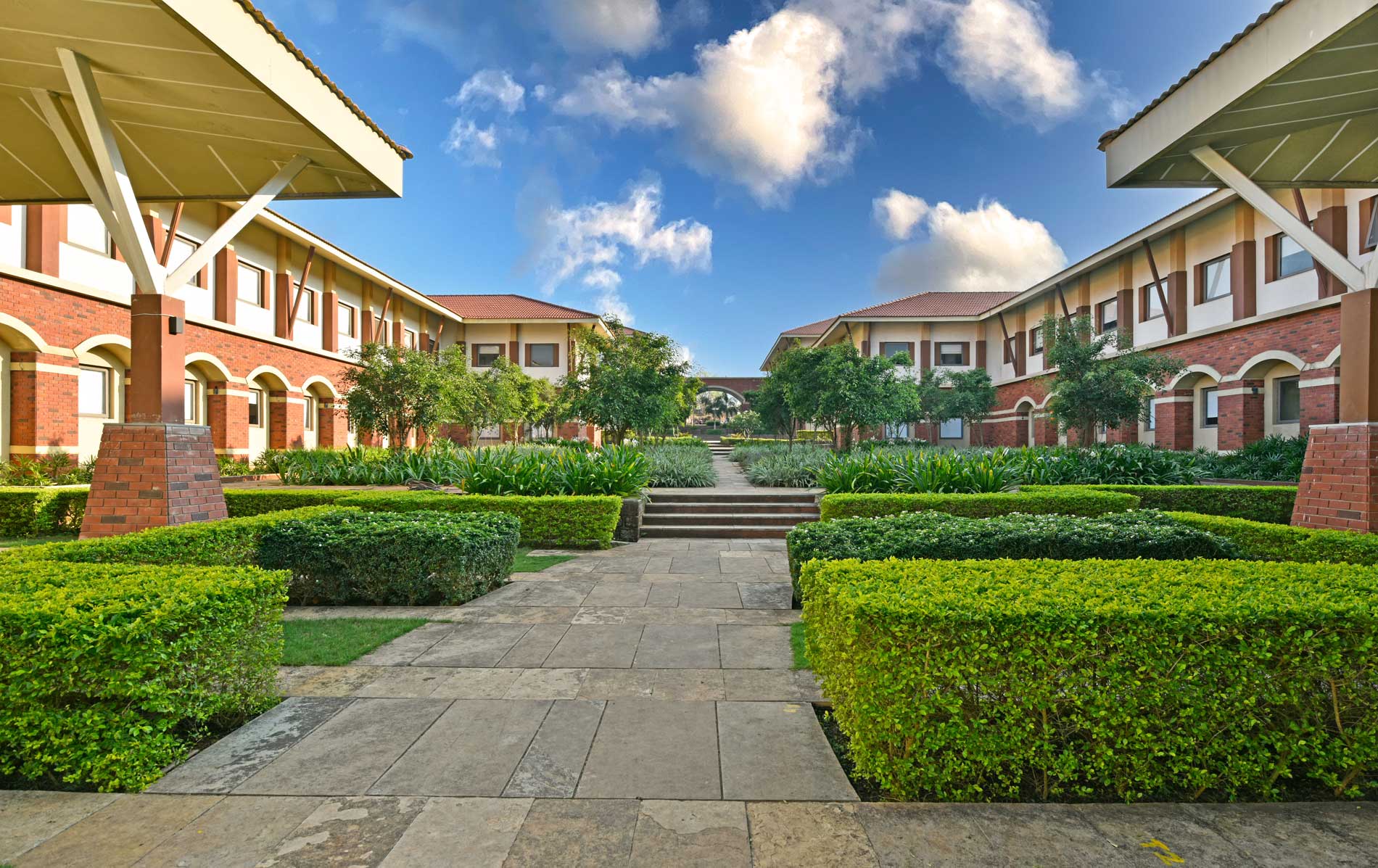
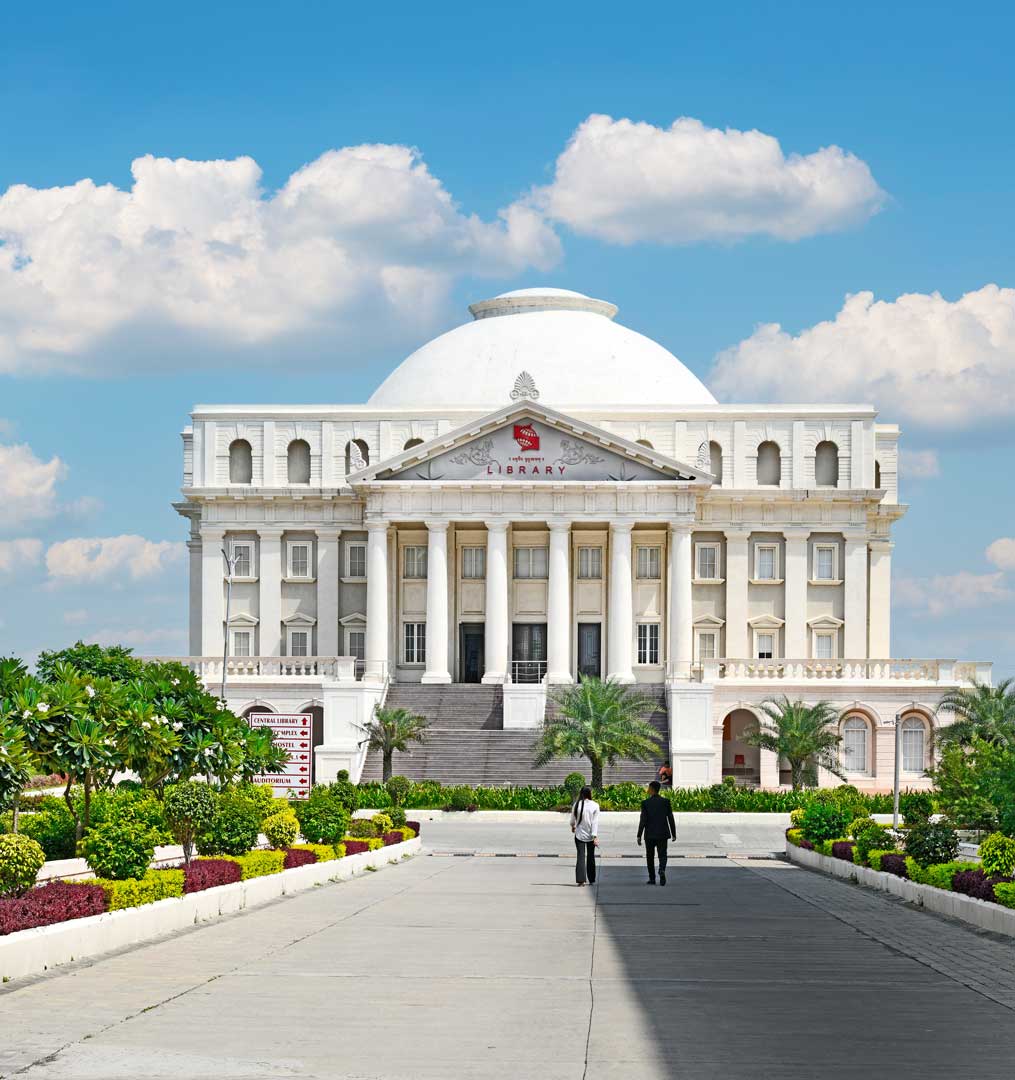
The library, inspired by the Pantheon, serves as a domed pavilion for study and reflection. A state-of-the-art auditorium forms the cultural hub of the campus. The residential zones are designed to foster a sense of community: student hostels are built around courtyards, the dining hall is a standalone social hub with indoor-outdoor seating, and staff housing is discreetly located within green pockets.
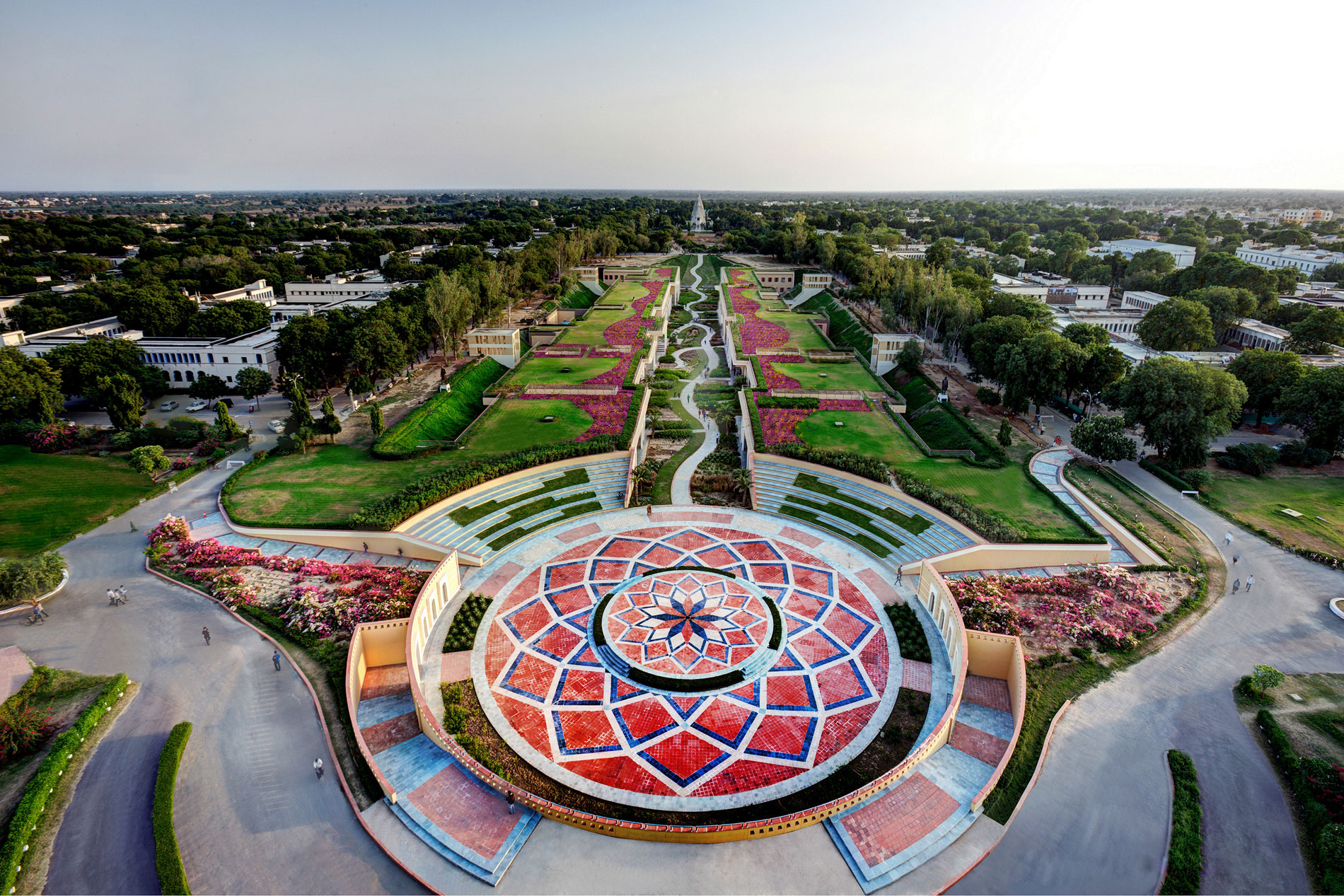
The campus includes comprehensive sports and wellness infrastructure—full-sized cricket and football fields, a sports complex, jogging paths, and shaded gardens. The landscape strategy follows classical principles: axial symmetry, framed views, and a grand central garden at the heart of the campus that doubles as a place for reflection, congregation, and ceremony. Vehicular movement is restricted to the site periphery, reinforcing the pedestrian nature of the inner academic core.
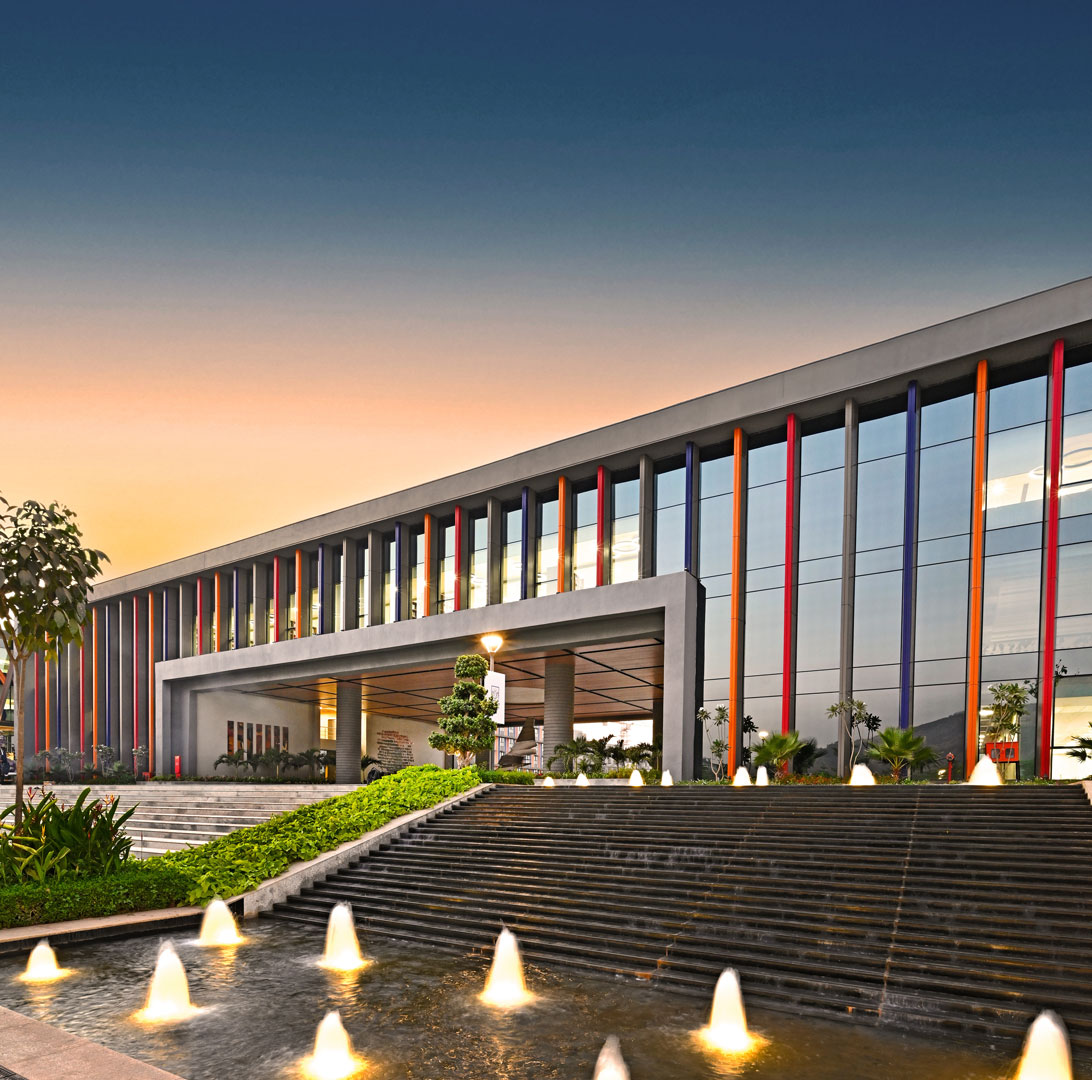
Though classical in language, the project integrates modern sustainability and construction systems. Designed to last across generations, the campus is an institutional landmark—one that is contemporary but rooted, with global standards of education infrastructure.